Generated with AI3 min read
Dentistry
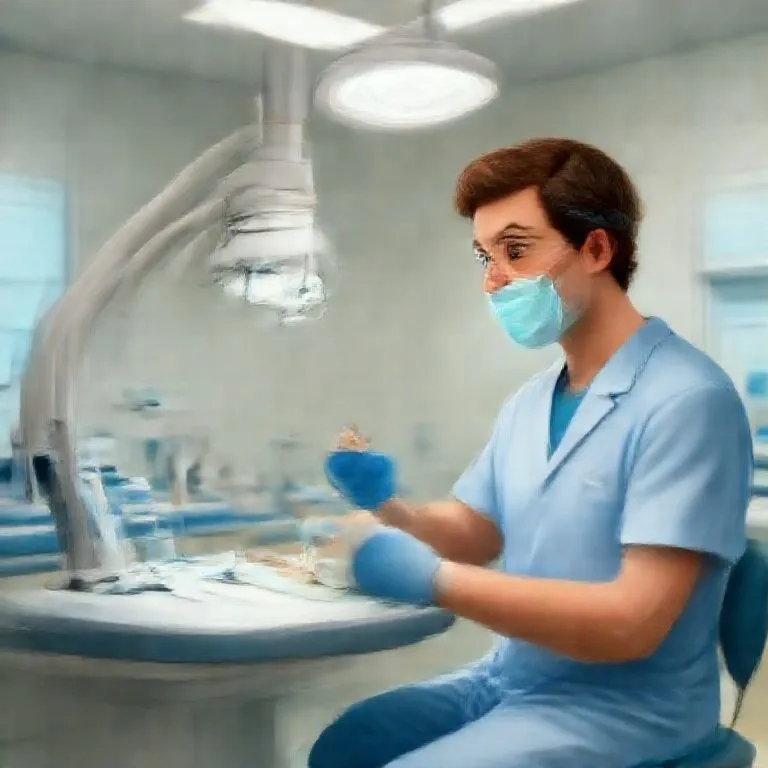
Brief description
Dentistry is the practical knowledge and methods used to keep teeth and gums healthy, prevent decay and infection, and restore chewing function when damage occurs. It focuses on hygiene, early detection, simple repairs, and safe emergency care.
Use / Function
- Prevention: Reduce cavities, gum disease, and bad breath.
- Pain control: Address sensitivity and toothache triggers early.
- Function: Preserve chewing, nutrition, and speech clarity.
- Emergency care: Stabilize broken teeth, bleeding gums, or infection.
- Scale: Personal care to small community clinics.
Operating principle
- Biofilm control: Regular brushing disrupts plaque that produces acid.
- Mineral balance: Gentle abrasives and clean water help remove acids and support enamel.
- Infection control: Clean tools and rinses reduce bacterial load in the mouth.
- Tissue protection: Soft handling prevents gum injury that worsens infection.
How to create it
- Daily cleaning: Brush with a mild abrasive (ash, charcoal, or clay) and rinse with clean water.
- Routine inspection: Look for discoloration, swelling, bleeding gums, or persistent pain.
- Stabilization: Rinse with warm salt water, remove debris gently, and avoid sugary or sticky foods while pain resolves.
- Simple repair: Smooth sharp edges and protect exposed areas with a clean temporary cover when possible.
- Hygiene control: Disinfect tools and avoid sharing brushes or cleaning sticks.
Required technological level
Basic to intermediate. Prevention is low tech; repairs and extractions require trained hands.
Materials needed
- Essential: Water, Salt, mild abrasives (Ash, Charcoal, Clay).
- Hygiene: Soap, Alcohol, Cotton.
- Tools: Toothbrush, Surgery Tools, Needle.
- Consumables: Toothpaste when available.
Variants and improvements
- Chewing stick: Fresh twig used as a brush.
- Tooth powders: Fine ash or charcoal with salt.
- Advanced: Fluoridated paste, sterilized instrument sets, and structured follow-up care.
Limits and risks
- Over-abrasion: Coarse powders can damage enamel and increase sensitivity.
- Infection risk: Poor tool hygiene can spread oral infections.
- Skill limits: Complex repairs and extractions are unsafe without training.
- Delayed care: Untreated infections can spread systemically.
Related materials
- Basic Hygiene: Daily routines that prevent oral disease.
- Tooth Structure: Key layers and tissues for safe care.
- Anesthesia: Pain control and safe procedure support.
- Toothbrush: Primary tool for plaque control.
- Dental Filling: Basic sealing of cavities and cracks.
- Toothpaste: Mild abrasive and cleanser.
- Surgery Tools: For precise dental work when needed.