Generated with AI2 min read
Dental Filling
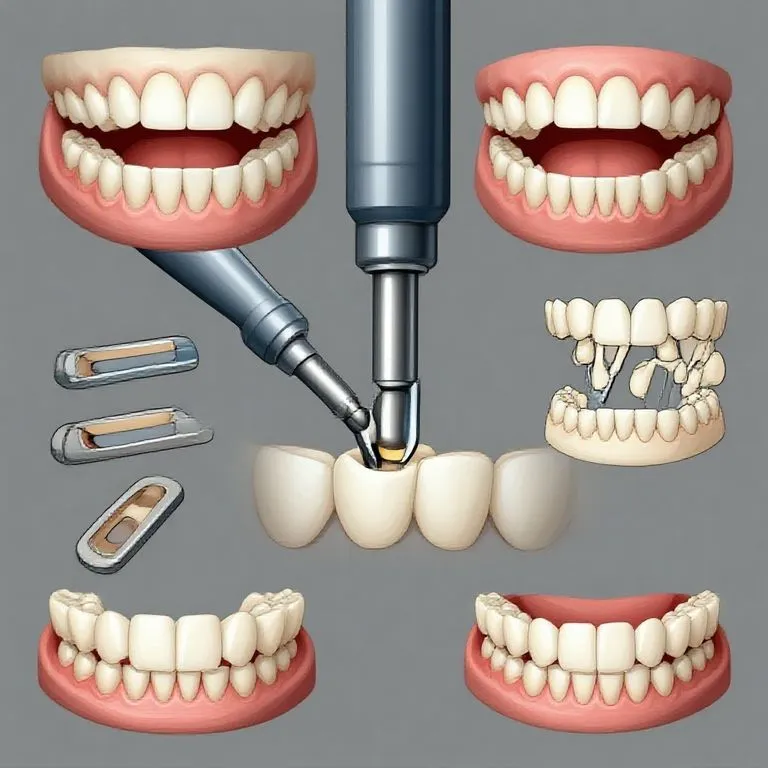
Brief description
A dental filling is a material placed into a cavity or fracture to seal the tooth, reduce pain, and restore chewing shape while blocking food and bacteria.
Use / Function
It restores damaged teeth:
- Sealing: Closes cavities and cracks to slow decay.
- Protection: Covers exposed dentin and reduces sensitivity.
- Function: Restores chewing surfaces.
- Hygiene: Prevents debris from getting trapped.
- Scale: Individual treatments, from temporary to longer-lasting.
Operating principle
The filling removes softened or contaminated tissue, cleans the cavity, and seals it with a compacted or bonding material. The seal reduces bacterial entry, spreads bite pressure, and protects dentin. Final shaping avoids bite interference.
How to create it
- Clean and inspect: Rinse with Water and check with a Mirror.
- Remove soft tissue: Use Surgery Tools to clear decayed material without going too deep.
- Disinfect and dry: Clean with Alcohol and dry with Cotton.
- Prepare the filler:
- Place and adjust: Pack the material, smooth edges with a File, and check the bite.
- Aftercare: Wash with Soap and keep gentle brushing.
Materials needed
- Essential: Clay, Resin, Beeswax.
- Optional reinforcement: Silver, Tin, or Gold for inlays.
- Hygiene: Water, Soap, Alcohol, Cotton.
- Tools: Mirror, Surgery Tools, File.
Variants and improvements
- Temporary filling: Wax and resin cover until better care is possible.
- Mineral filling: Fired clay powder with resin for higher hardness.
- Metal inlay: Small hammered pieces for longer durability.
- Layered seal: Thin resin layers with mineral powder for better fit.
Limits and risks
- Poor seal: Can allow decay under the filling.
- Pulp damage: Deep cavities may cause lingering pain.
- Fracture: Brittle materials can crack under hard bites.
- Contamination: Inadequate cleaning increases infection risk.