SyntheticGenerated with AI2 min read
Surgical Thread
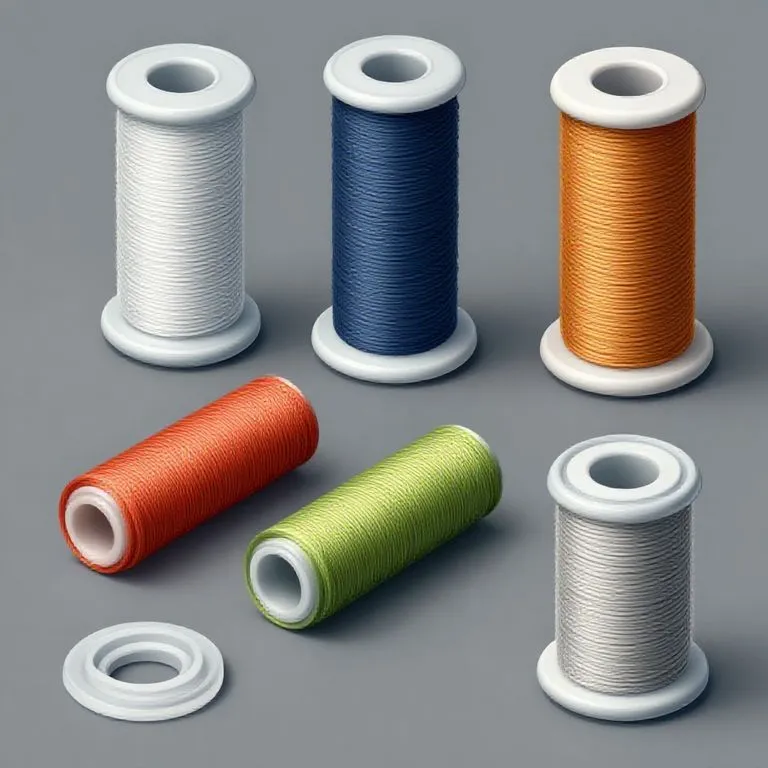
Surgical thread, or suture, is used to hold body tissues together after an injury or surgery. It can be made from various materials, both natural and synthetic.
Description of what it is like
It appears as a fine, flexible strand. It comes in various thicknesses (gauges) and materials. Some are dyed for better visibility.
Origin and where to find it
- Natural: Silk (from silkworms), Catgut (processed animal intestine, usually sheep or goat).
- Synthetic: Nylon, Polyester, Polypropylene.
Minimum processing required
- Harvesting/Synthesis: Obtaining the raw fiber.
- Spinning/Extrusion: Forming the thread.
- Sterilization: Essential to prevent infection (boiling, alcohol, radiation).
Tools needed to work on it
- Needle: To pass the thread through tissue.
- Scissors: To cut the thread.
- Forceps: To handle the needle and thread.
Common forms of use
- Absorbable: Breaks down in the body over time (e.g., Catgut). Used for internal tissues.
- Non-absorbable: Must be removed manually (e.g., Silk, Nylon). Used for skin closures.
Possible substitutes
- Cotton thread: Can be used in emergencies but causes more tissue reaction.
- Dental floss: Strong and clean, a decent improvisation.
- Hair: Human or horse hair (cleaned) was used historically.
- Fishing line: Nylon fishing line is very similar to surgical nylon.
Limitations and common failures
- Infection: If not sterile, it acts as a wick for bacteria.
- Breaking: If too thin or pulled too hard.
- Reaction: Some bodies reject certain materials (especially natural ones like gut or silk).
Risks and safety
- Tissue tearing: If the thread is too strong or pulled too tight, it can cut through the tissue (“cheese-wiring”).
Related materials
- Cotton: Emergency substitute and dressing material.
- Plant Fibers: Natural alternatives for cordage.
- Alcohol: Used for sterilization in the field.
Properties
- Sterile
- Tensile strength
- Biocompatibility
- Absorbable/Non-absorbable
Used for
- Suturing wounds
- Ligating vessels
Manufacturing / Process
Processing natural fibers (silk, gut) or synthesizing polymers (nylon, polypropylene), then sterilizing.