SyntheticGenerated with AI2 min read
Ash
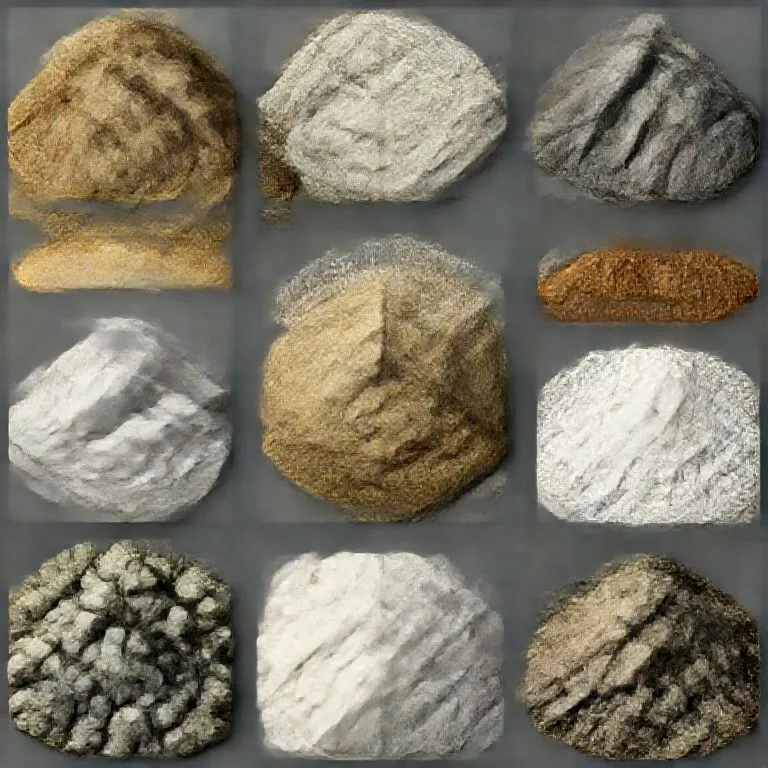
Ash is the powdery residue left after the combustion of a substance. Wood ash is of particular importance in a survival context as a source of potash (potassium carbonate) and lye.
Description of what it is like
It is a gray or white powder, soft to the touch, and very light. It is alkaline (basic) and can cause skin irritation if wet (forming lye).
Origin and where to find it
- Environments: Any place where fire has consumed organic matter (hearths, forest fire sites).
- Signs: Piles of gray/white powder at the base of a fire.
- Natural/Synthetic: It is a byproduct of combustion.
Minimum processing required
- Collection: Gathering the cold ash from the fire pit.
- Sifting: Removing unburnt charcoal and debris.
- Leaching (for Lye): Running water through the ash to extract soluble salts (potash/lye).
Tools needed to work on it
- Shovel or scoop: For collection.
- Sieve/Mesh: For cleaning.
- Containers: For storage (must be kept dry).
Common forms of use
- Dry Powder: Applied to soil as fertilizer or used as a mild abrasive for cleaning.
- Lye (Liquid): Extracted with water for soap making.
- Paste: Mixed with water for tanning hides or cleaning.
Possible substitutes
- Lime (Calcium Oxide): For alkaline applications (mortar, tanning).
- Soda Ash: Found in some mineral deposits or burnt seaweed.
Limitations and common failures
- Moisture: Ash becomes useless (or turns to lye unintentionally) if it gets wet during storage.
- Incomplete Combustion: Mixing with too much charcoal reduces quality for some uses.
Risks and safety
- Caustic: Wet ash (lye) causes chemical burns.
- Inhalation: Breathing ash dust is harmful to the lungs.
- Hot Embers: Fresh ash may contain hidden hot coals that can start fires.
Related materials
Properties
- Alkaline
- Powdery
- Absorbent
- Fertilizer
Used for
- Lye production
- Soap making
- Fertilizer
- Ceramic glazes
- Cleaning
Manufacturing / Process
Residue remaining after the complete combustion of wood or other organic materials.