SyntheticGenerated with AI2 min read
Toothpaste
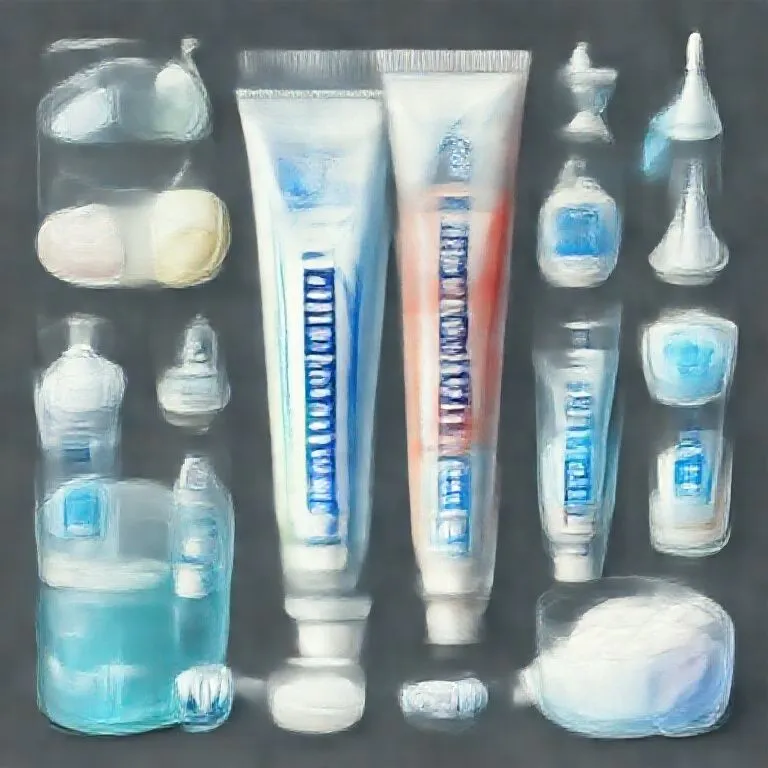
Toothpaste or dentifrice is a substance used with a toothbrush to clean dental surfaces. Its main function is to help remove bacterial plaque and food debris through a mild abrasive effect, as well as providing freshness and, in modern versions, fluoride to strengthen enamel.
Description of what it is like
It can appear as a fine powder or a wet paste. It generally has a very fine gritty texture but is soft to the touch. The color depends on the ingredients (white if chalk/clay, gray if ash, black if charcoal).
Origin and where to find it
- Environments: Home manufacture or settlements.
- Signs: Not natural.
- Natural/Synthetic: Synthetic (prepared mixture).
Minimum processing required
- Grinding: Abrasive ingredients (chalk, charcoal, salt) must be ground to an impalpable powder so as not to scratch enamel.
- Sifting: Crucial to filter out any large particles.
- Mixing: Combine powders with water or oil to form a paste (optional).
Tools needed to work on it
- Mortar and pestle: To pulverize ingredients.
- Sieve/Fine cloth: To ensure powder fineness.
- Container: To mix and store.
Common forms of use
- Tooth powder: Wet the brush and dip it into the powder.
- Paste: Apply a small amount to the brush.
Possible substitutes
- Water only: Mechanical brushing is the most important part.
- Fine salt: Antiseptic and stimulates salivation, but must be used with care.
- Baking soda: (If available) Excellent cleaner and acid neutralizer.
- Activated charcoal: Absorbs toxins and cleans, but is very messy to use.
Limitations and common failures
- Excessive abrasiveness: If the powder is too coarse, it will sand down dental enamel permanently, causing sensitivity and cavities.
- Unpleasant taste: Soap or ash can taste bad; adding herbs (mint, fennel) helps.
Risks and safety
- Ingestion: Should not be swallowed in large quantities, especially if containing soap or strong ash.
- Preservation: Wet pastes can breed bacteria/fungi if they don’t have preservatives. Powders are safer for long-term storage.
Related materials
- Calcium carbonate (Chalk/Eggshell): Common abrasive base.
- Clay (Kaolin): Soft base and thickener.
- Salt: Preservative and antiseptic.
- Aromatic herbs: For flavor and medicinal properties.
Properties
- Mild abrasive
- Antiseptic
- Refreshing
- Alkaline
Used for
- Dental hygiene
- Silver cleaning (sometimes)
- Sting relief (some)
Manufacturing / Process
Mixture of a mild abrasive powder with a binder and cleaning/flavoring agents.