Generated with AI2 min read
Toothbrush
Made of
Brief description
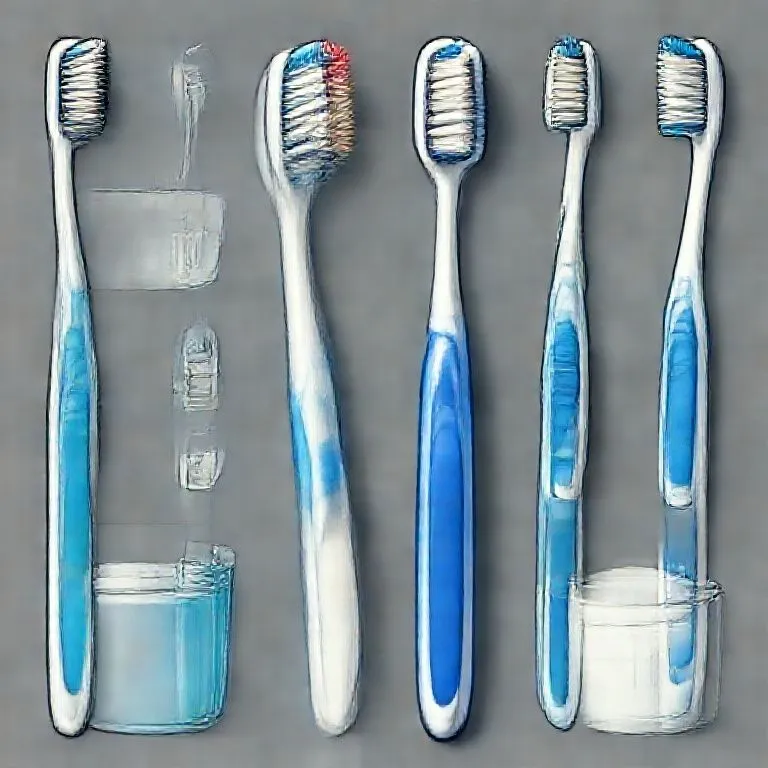
The toothbrush is a handheld tool designed to clean teeth and gums. It consists of a handle with bristles at one end, used to remove food debris and bacterial plaque through friction.
Use / Function
Its main function is mechanical oral hygiene:
- Plaque removal: Disrupts bacterial colonies that cause cavities and gum disease.
- Debris cleaning: Removes food particles from between teeth.
- Stimulation: Massages gums to improve circulation.
- Scale: Personal and non-transferable.
Operating principle
It works through gentle abrasion and mechanical sweeping. Flexible bristles penetrate interdental spaces and molar grooves, sweeping away dirt. When used with a cleaning agent (paste or powder), effectiveness increases due to additional chemical or abrasive action.
How to create it
- Handle: Carve a piece of wood or bone so it is comfortable to hold.
- Head: Make small holes at one end of the handle or prepare a slot.
- Bristles:
- Animal hair: Use stiff bristles from pig or boar (boiled to disinfect).
- Plant fibers: Use tough fibers from roots or crushed stems.
- Fixing: Insert bristles into holes and secure with thread or natural glue (resin), or tie firmly if using the “chewing stick” method.
Simplified version (Chewing Stick)
Take a twig from a suitable tree (like neem, olive, or licorice), peel the tip, and chew it until the fibers separate forming a natural brush.
Materials needed
- Handle: Hardwood or bone.
- Bristles: Stiff animal hair (boar) or resistant plant fibers.
- Adhesive: Pine resin (optional, for fixing).
Variants and improvements
- Chewing stick (Miswak): The oldest and simplest form, often with natural antiseptic properties from the plant itself.
- Bristle brush: More modern design with bristles inserted perpendicularly.
- Floss: Essential complement, can be made with silk fibers or fine, strong threads.
Limits and risks
- Wear: Natural bristles wear out and can harbor bacteria. They must be dried well.
- Gum damage: Brushing too aggressively or with very hard bristles can recede gums and wear down enamel.
- Contamination: If not cleaned and dried, the brush can become a breeding ground for bacteria.