NaturalGenerated with AI2 min read
Plant Fibers
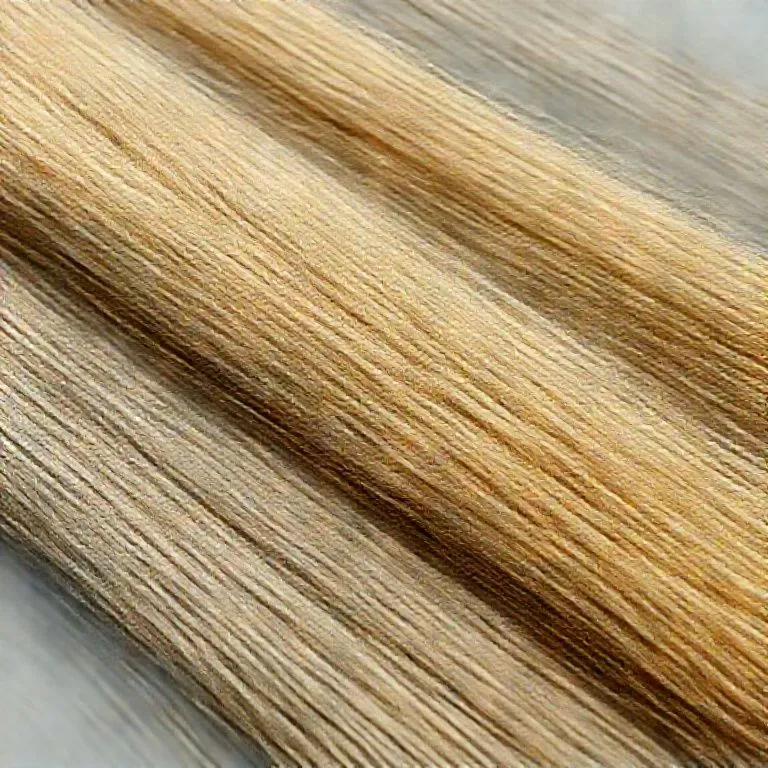
Plant fibers are elongated cells found in many plants, especially in the stems (bast fibers), leaves, or around seeds. They are primarily composed of cellulose.
Description of what it is like
Plant fibers are typically thin, hair-like strands. They can be soft (like cotton) or coarse and stiff (like hemp or sisal). They are flexible and can be twisted together to form stronger strands.
Origin and where to find it
- Environments: Fields, forests, and wetlands.
- Signs: Fibrous stems of plants like flax, hemp, nettles, or the leaves of agave and yucca.
- It is a natural material.
Minimum processing required
- Harvesting: Cutting the source plants.
- Retting: Soaking in water to rot away the non-fibrous parts.
- Decortication/Scraping: Separating the fibers from the rest of the plant material.
- Combing/Carding: Aligning the fibers for spinning.
Tools needed to work on it
- Knives or sickles for harvesting.
- Retting tanks or ponds.
- Scrapers or beaters.
- Spindles or spinning wheels for making thread/rope.
Common forms of use
- Raw: As simple bindings or nesting material.
- Processed: Spun into thread, yarn, or rope.
- Woven: Into fabrics and textiles.
Possible substitutes
- Animal Fibers: Wool or Silk.
- Synthetic Fibers: Nylon or polyester.
- Leather: For some binding and clothing applications.
Limitations and common failures
- Rot: Natural fibers will decay if kept wet for too long.
- Low Fire Resistance: Most plant fibers are highly flammable.
- Elasticity: Some fibers stretch or shrink significantly when wet.
Risks and safety
- Dust: Inhaling fine fibers can cause respiratory issues.
- Irritation: Some fiber-producing plants (like nettles) can cause skin irritation during harvesting.
Related materials
- Cotton: A specific and very common plant fiber.
- Linen: Flax fiber valued for strength and breathability.
- Wood: Also contains cellulose fibers but in a rigid matrix.
- Paper: Often made from processed plant fibers.
Properties
- Flexible
- Strong in tension
- Absorbent
- Biodegradable
Used for
- Textiles
- Ropes
- Paper
- Construction
- Mechanical systems
Manufacturing / Process
Extracted from various plants through retting, scraping, or mechanical separation.