SyntheticGenerated with AI3 min read
Soap
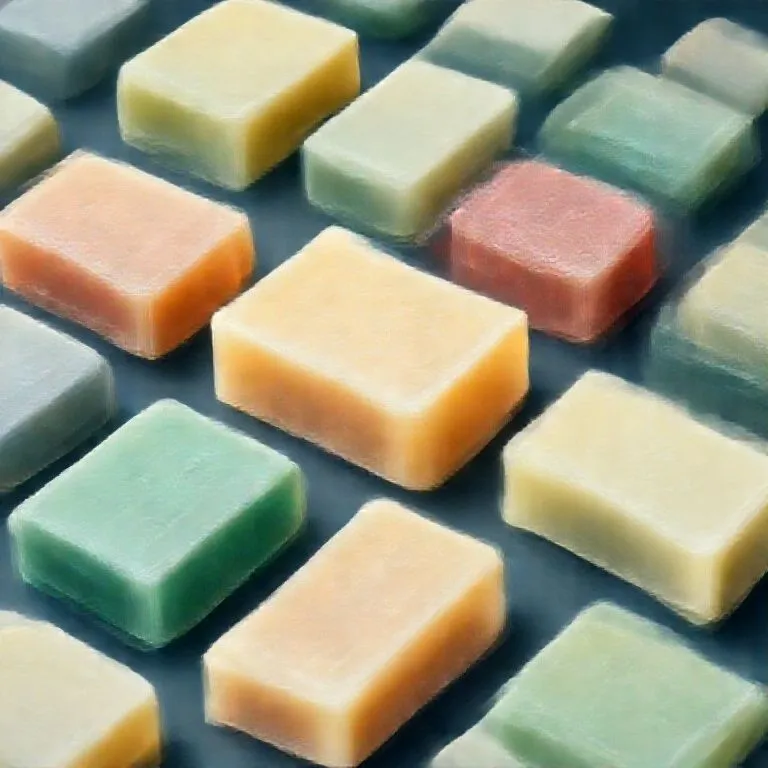
Soap is a salt of a fatty acid used primarily for washing, bathing, and cleaning. It works as a surfactant, emulsifying oils to enable them to be carried away by water. It is a fundamental technology for hygiene and disease prevention.
Description of what it is like
Solid soap usually comes in bars or cakes. It is slippery when wet and produces foam or lather when agitated with water. It has a characteristic clean smell, though it can be rancid if made with poor quality fats without added fragrances.
Origin and where to find it
- Environments: Man-made in settlements or camps. Some plants (saponins) can act as natural substitutes.
- Signs: Not found in nature.
- Natural/Synthetic: Synthetic (chemically processed).
Minimum processing required
- Lye Production: Leaching wood ash with water to create a strong alkaline solution.
- Fat Preparation: Rendering animal fat or extracting vegetable oil.
- Saponification: Heating the fat and lye together until they thicken and react completely.
- Curing: Allowing the soap to dry and the reaction to complete (reducing causticity) over several weeks.
Tools needed to work on it
- Non-reactive pot: Stainless steel, ceramic, or glass (avoid aluminum as lye reacts with it).
- Stirring stick/spoon: Wooden or stainless steel.
- Molds: Wooden boxes or containers to shape the soap while it cools.
- Protective gear: Gloves and eye protection (lye is dangerous).
Common forms of use
- Hard Soap: Sodium-based (using soda ash/salt), good for bars.
- Soft Soap: Potassium-based (using wood ash lye), often liquid or gel-like.
- Insecticidal Soap: Used to control soft-bodied pests on plants.
Possible substitutes
- Saponin-rich plants: Soapwort, yucca root, soapberries.
- Ash: Can be used directly for cleaning greasy items (abrasive and alkaline).
- Sand/Clay: Mechanical cleaning via abrasion.
Limitations and common failures
- Lye Heavy: Too much lye makes the soap caustic and irritating to skin.
- Superfat: Too much fat makes the soap soft, greasy, and prone to rancidity.
- Hard Water: Reacts with minerals in hard water to form “soap scum,” reducing effectiveness.
Risks and safety
- Chemical Burns: Raw lye and fresh soap can cause severe burns to skin and eyes.
- Fumes: Mixing lye produces fumes that should not be inhaled.
Related materials
- Animal Fat: Common base ingredient.
- Ash: Source of alkali (lye).
- Water: Required solvent for the process.
- Salt: Used to harden soap or separate it from glycerin.
Related inventions
- Hand Washing Basin: Primary location for use.
Properties
- Water Soluble
- Emulsifier
- Slippery
- Cleaning Agent
Used for
- Hygiene
- Laundry
- Cleaning
- Lubricant
- Insecticide
Manufacturing / Process
Produced by the chemical reaction (saponification) of a fat or oil with a strong alkali (lye).