NaturalGenerated with AI3 min read
Clay
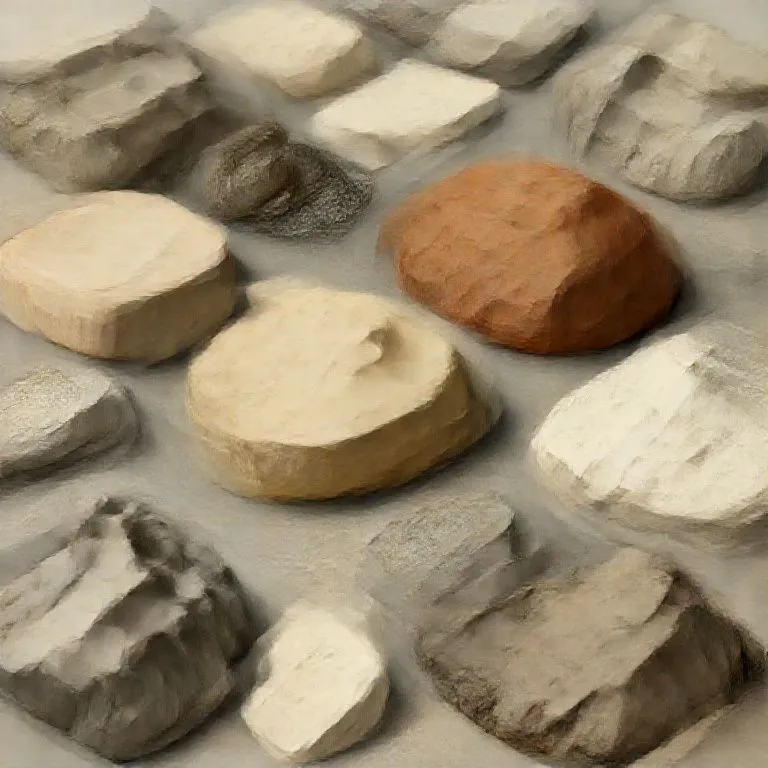
Clay is a fine-grained natural soil material containing clay minerals. It becomes plastic when wet and hardens when dried or fired.
Description of what it is like
Clay is earthy and soft. When wet, it is highly malleable and can be shaped into almost any form. When dry, it becomes brittle but retains its shape. When fired in a kiln, it becomes stone-like and durable.
Origin and where to find it
- Environments: Riverbanks, lake beds, and areas with fine-grained soil.
- Signs: Slippery, sticky mud that holds its shape when squeezed. Usually found beneath the topsoil.
- It is a natural material.
Minimum processing required
- Extraction: Digging it out of the ground.
- Cleaning: Removing stones, roots, and organic matter.
- Levigation: Mixing with water and allowing heavier particles to settle to get a finer clay.
- Kneading/Wedging: To remove air bubbles and ensure uniform consistency.
Tools needed to work on it
- Hands: For basic shaping and coil building.
- Potter’s Wheel: Essential for rapidly creating symmetrical vessels. Requires high-plasticity clay without coarse particles.
- Kiln: For firing and hardening the clay into ceramic.
- Wire cutters: For slicing clay blocks or removing pots from the wheel.
Quick quality tests
- Coil test: Roll a thin cylinder and bend it; if it breaks easily, it needs more plasticity.
- Flattening test: Flatten a piece; if it cracks at the edges, there is too much sand or lack of moisture.
- Jar test: Mix with water, shake, and let settle to separate layers to see proportions of sand and silt.
Useful improvements and mixtures
- Temper: Fine sand, grog, or ash to reduce shrinkage and cracking.
- Fibers: Straw or hair for adobe and resistant plasters.
- Additives: Ash or lime to modify hardness and water resistance.
Storage and preservation
- Keep clay moist and covered to prevent uneven drying.
- Store in blocks wrapped in cloth or reusable plastic.
- Avoid contamination with roots, leaves, or salts.
Common forms of use
- Raw: For simple mud-daub construction.
- Processed: Dried into sun-baked Bricks (adobe).
- Fired: Hardened into Ceramics, Pottery, and terracotta.
Possible substitutes
- Concrete: For construction and bricks.
- Plastic: For modern containers.
- Metal: For durable cookware.
Limitations and common failures
- Cracking: Happens if it dries too quickly or unevenly.
- Shrinkage: Clay loses volume as it dries and fires.
- Water Damage: Unfired clay will dissolve back into mud if it gets wet.
- Poor Firing: Uneven firing leaves pieces fragile or porous.
Risks and safety
- Dust: Dry clay dust can be harmful if inhaled (silicosis risk).
- Burns: During the firing process in kilns.
Related materials
Properties
- Malleable when wet
- Hard when fired
- Heat resistant
Used for
- Pottery
- Bricks
- Ceramics
- Construction
Manufacturing / Process
Found in soil deposits, often along riverbanks. Processed by cleaning and mixing with water.