NaturalGenerated with AI2 min read
Wood
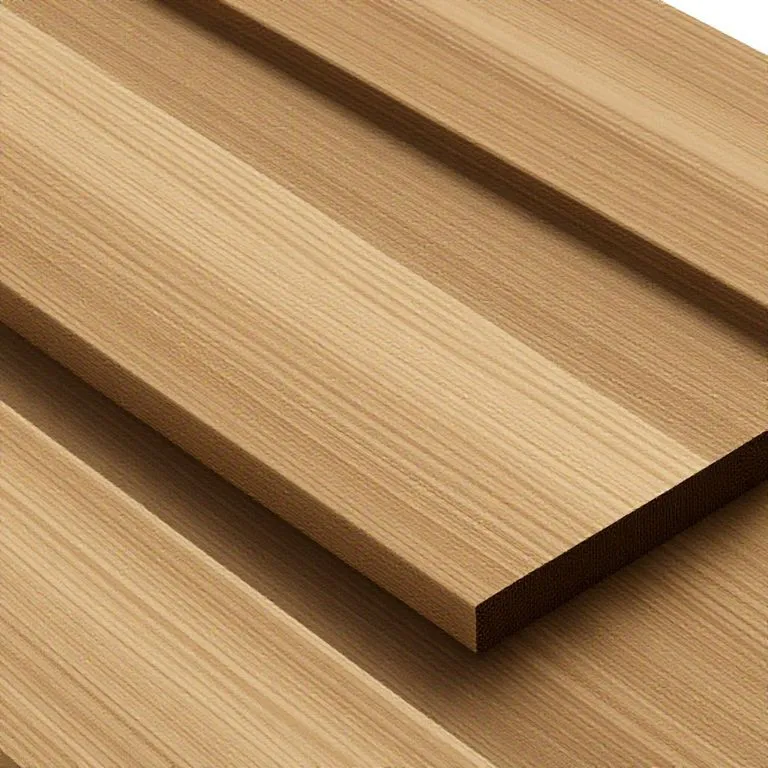
Wood is a porous and fibrous structural tissue found in the stems and roots of trees and other woody plants. It is an organic material—a natural composite of cellulose fibers that are strong in tension and embedded in a matrix of lignin that resists compression.
Description of what it is like
Wood is generally light to medium weight, easy to carve or cut, and has a distinct grain pattern. It feels warm to the touch compared to stone or metal.
Origin and where to find it
- Environments: Forests, woodlands, and anywhere trees grow.
- Signs: Presence of trees; deadwood on the forest floor.
- It is a natural material.
Minimum processing required
- Felling: Cutting down the tree.
- Debarking: Removing the outer bark.
- Seasoning: Drying the wood to remove moisture and prevent warping or rotting.
- Shaping: Sawing into planks or carving into shapes.
Tools needed to work on it
- Axes and saws for felling and cutting.
- Chisels and knives for carving.
- Sandpaper or rasps for smoothing.
- Drills for making holes.
Common forms of use
- Raw: As firewood or simple structural posts.
- Processed: Lumbers, planks, and beams for construction.
- Combined: With glues or fasteners to create complex structures.
Possible substitutes
- Metal: For structural strength and durability.
- Plastic: For lightweight and weather-resistant items.
- Stone: For long-lasting construction.
Limitations and common failures
- Rot: Susceptible to decay if kept damp.
- Fire: Highly flammable.
- Pests: Can be damaged by termites and other wood-boring insects.
Risks and safety
- Fire hazard: Must be kept away from uncontrolled heat sources.
- Splinters: Can cause small but painful injuries.
- Dust: Sawdust can be an irritant to eyes and lungs.
Related materials
- Charcoal: Produced by heating wood in the absence of oxygen.
- Paper: Made from processed wood fibers.
- Natural Rubber: Harvested from specific types of trees.
- Ash: Residue left after burning wood.
- Tanning: Bark is a primary source of tannins.
Properties
- Strong
- Flammable
- Buoyant
- Thermal insulator
Used for
- Construction
- Tools
- Fuel
- Paper
- Machinery
- Water wheels
Manufacturing / Process
Obtained directly from tree trunks through logging and sawing.