Generated with AI2 min read
Tooth Structure
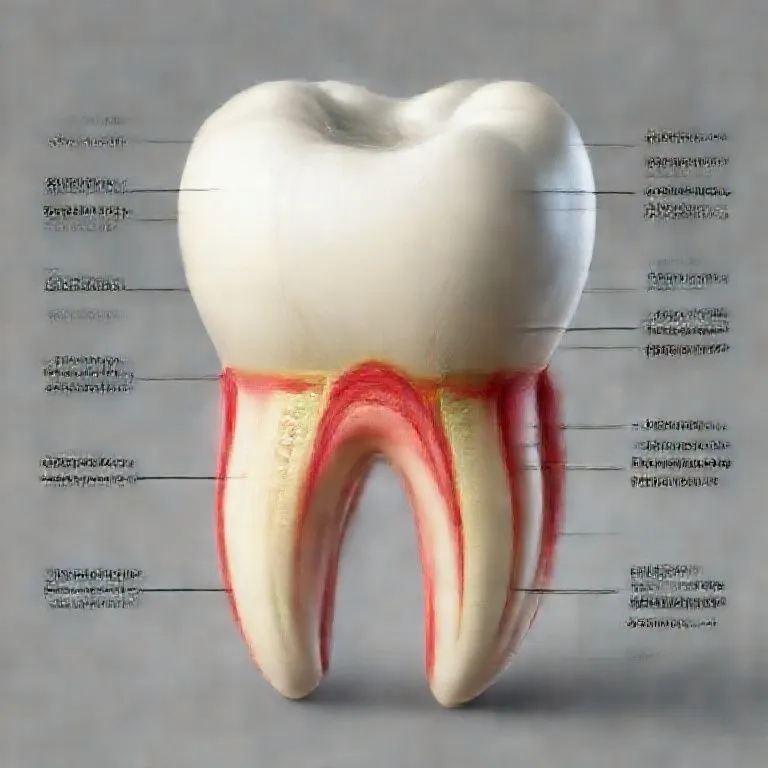
Brief description
Tooth structure describes the layers and tissues that let teeth chew, resist acids, and transmit sensation. Understanding it helps prevent decay, identify the source of pain, and plan safe basic repairs without harming living tissue.
Use / Function
- Basic diagnosis: Distinguish surface enamel damage from deep pulp pain.
- Prevention: Focus brushing on plaque zones and the gumline.
- Simple repair: Protect exposed dentin and sharp fracture edges.
- Planning: Know which areas are unsafe without training.
- Scale: Personal hygiene to basic community care.
Operating principle
- Enamel: Hard mineral barrier against abrasion and acids.
- Dentin: Porous layer with tubules that transmit sensitivity.
- Pulp: Nerve and blood core; deep pain often originates here.
- Cementum and periodontal ligament: Anchor the root to bone and absorb force.
- Gum: Soft seal that protects the tooth neck from bacteria.
How to create it
- Observe surfaces: Use direct light and a Mirror to spot cracks and discoloration.
- Map parts: Draw crown, neck, and root on Paper with Ink.
- Identify layers: Link color, texture, and sensitivity to enamel, dentin, and pulp.
- Compare animals: Herbivore and carnivore teeth help explain shape and wear.
- Update notes: Record common pain patterns, bleeding, and fracture points.
Required technological level
Basic to intermediate. Observation is low tech; interventions require experience.
Materials needed
- Essential: Paper, Ink for maps, good light, and clean water.
- Hygiene: Water, Soap, Cotton, Alcohol.
- Tools: Mirror, Toothbrush, Surgery Tools for close inspection.
Variants and improvements
- Layered diagrams: Separate enamel, dentin, pulp, and bone on sheets.
- Physical models: Carved wood or bone for identification practice.
- Wear tracking: Mark abrasion zones to adjust diet and cleaning.
Limits and risks
- Misread pain: Exposed dentin can mimic infection.
- Intervention damage: Touching pulp or roots without technique worsens injury.
- Contamination: Unclean tools and hands introduce bacteria.
- False confidence: Knowledge does not replace clinical training.
Related materials
- Dentistry: Practical dental care.
- Toothbrush: Daily plaque control.
- Toothpaste: Mild abrasive and cleanser.
- Surgery Tools: Precise intervention when needed.