SyntheticGenerated with AI3 min read
Curd & Cheese
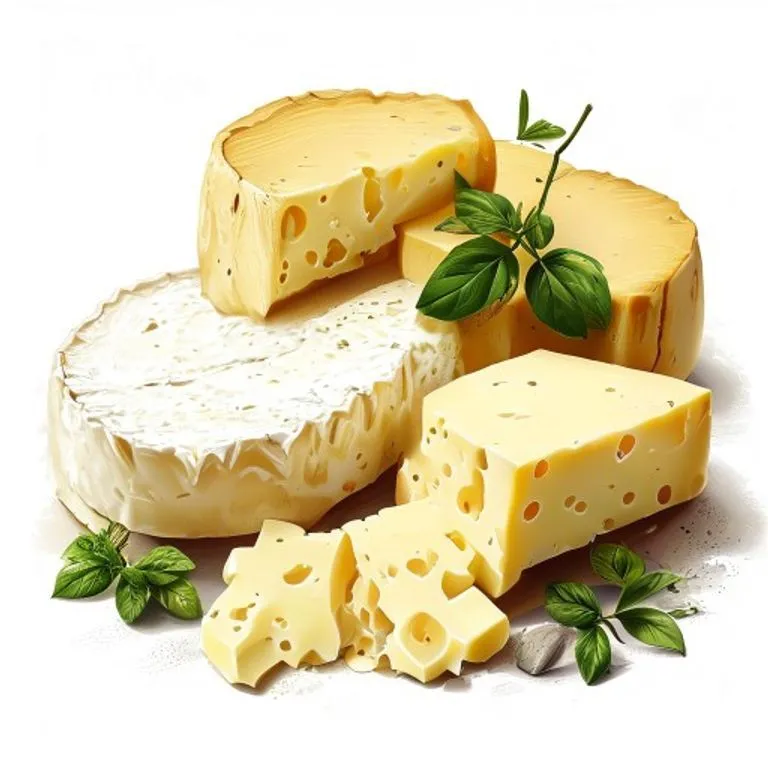
Curd and cheese are concentrated dairy foods made by coagulating milk, draining whey, and stabilizing the curd with salt and aging. They compress fresh milk into a transportable, shelf-stable food with high nutritional density.
Description of what it is like
Fresh curd is soft, moist, and mild, while cheese ranges from creamy to firm depending on moisture and aging. Aroma and flavor deepen as it ages, shifting from milky and sweet to sharp and savory.
Origin and where to find it
- Environments: Produced wherever Livestock provide milk and clean containers exist.
- Signs: Fresh milk, cool storage spaces, and simple heat sources for gentle coagulation.
- It is a processed material.
Minimum processing required
- Coagulation: Warm milk and add acid or Enzymes to form curds.
- Draining: Cut curds and drain whey through Fabric or a clean strainer.
- Salting: Mix or brine with Salt to stabilize and flavor.
- Pressing/Aging: Press for firmer cheese; age in a cool, clean space for longer storage.
- If skipped: Warm storage or low salt leads to rapid spoilage.
Tools needed to work on it
- Vessels: Clean Containers or Clay pots.
- Heat: Gentle Fire to warm milk without scorching.
- Cloth: Fabric for draining and wrapping.
- Weights: Stones or simple presses for firm cheeses.
Common forms of use
- Fresh curd for immediate meals.
- Soft cheeses for spreads and sauces.
- Hard cheeses for long storage and travel.
- Grated or melted cheese for cooking.
Possible substitutes
- Dried or salted meats for long storage protein.
- Dried legumes or nuts when animal milk is unavailable.
- Tofu as a plant-based curd alternative.
Limitations and common failures
- Spoilage: Warm temperatures or dirty tools quickly ruin batches.
- Overheating: Excess heat makes curd tough and rubbery.
- Mold: Unwanted molds grow if aging is too humid or unclean.
- Salt imbalance: Too little salt spoils; too much makes it inedible.
Risks and safety
- Foodborne illness: Raw milk and poor sanitation can carry pathogens.
- Allergies: Dairy proteins can trigger reactions.
- Histamine: Aged cheeses can affect sensitive people.
Related materials
- Cheese: Aged curd for longer storage.
- Living Cheese: Culture-ripened cheeses with active rinds.
- Processed Cheese: Re-melted curd with stabilized texture.
- Blue Cheese: Mold-ripened variant with strong flavor.
- Unripened Cheese: Fresh curd without aging.
- Bread Cheese: Fresh curd cooked to a toasted crust.
- Caramelized Cheese: Curd browned on dry heat for nutty flavor.
- Tofu: Plant-based curd set from soy milk.
- Enzymes: Catalysts used for milk coagulation.
- Salt: Essential for preservation and flavor.
- Water: Cleaning and brining.
- Animal Fat: Shared dairy fat source and preservation aid.
- Fabric: Straining and wrapping curds.
- Wood: Shelves and boards for aging and drying.
Properties
- Protein-rich
- Perishable
- Fatty
- Fermented
- Salty
Used for
- Food
- Preservation
- Cooking ingredient
- Trade good
- Concentrated nutrition
Manufacturing / Process
Coagulation of milk with acid or rennet, draining whey, salting, pressing, and optional aging.