Generated with AI2 min read
Containers
Made of
Brief description
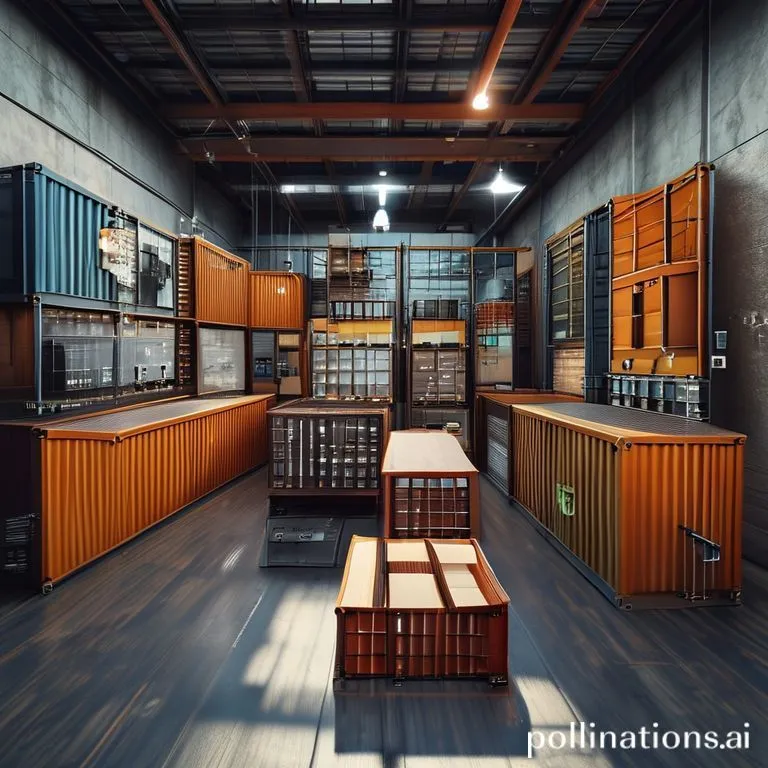
Containers are hollow objects designed to transport, organize, or preserve solid or liquid materials.
Use / Function
- Storage: Storing surplus food, seeds, or water.
- Transport: Facilitating the movement of collected objects.
- Cooking: Allowing the boiling of food (if heat-resistant).
- Scale: Domestic and collective.
Operating principle
They create a physical barrier that groups dispersed elements and, in the case of liquids, use waterproof or sealed materials to prevent leaks.
How to create it
- Basketry: Interweaving flexible plant fibers (plant-fibers) to create a rigid or semi-rigid structure.
- Sacks: Sewing pieces of Leather or fabric together.
- Vessels: Shaping clay and firing it to achieve impermeability and thermal resistance.
- Technical level: Basic to Intermediate.
Materials needed
- Essential: Wicker, esparto, reeds, animal skins, clay.
- Tools: Awls, needles, hands.
- Substitutes: Animal stomachs (for water), hollowed-out gourds, carved wood.
Variants and improvements
- Watertight basket: Coated with resin or bitumen to carry water.
- Amphorae: Designed for massive maritime transport.
- Modular containers: To optimize space.
Limits and risks
- Weight: The container adds dead weight to transport.
- Moisture: Baskets can rot; unglazed ceramics can leak.
- Breakage: Ceramics are fragile; sacks can tear.