SyntheticGenerated with AI2 min read
Fabric
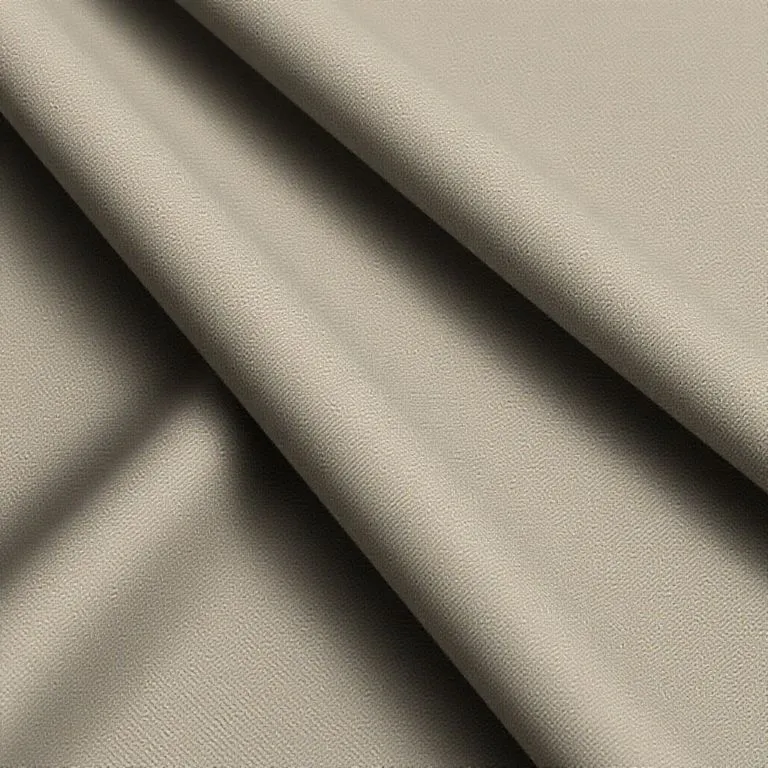
Fabric is a flexible material consisting of a network of natural or artificial fibers (yarn or thread). It is essential for protection, transport, and comfort.
Physical Description
Fabric appears as a continuous sheet of interlaced threads. Its texture, weight, and strength depend on the fiber used (cotton, wool, flax) and the method of construction (weave type).
Origin and Where to Find It
- Environment: Created in settlements with weaving capabilities (looms).
- Signs: Look for spinning wheels, looms, or trade goods.
- It is a processed material.
Minimum Processing Required
- Spinning: Twisting fibers into yarn or thread.
- Weaving/Knitting: Interlacing the yarn on a loom or with needles to form the fabric.
- Finishing: Washing, bleaching, or dyeing.
Tools Needed for Working It
- Spindle/Spinning Wheel: For making thread.
- Loom: For weaving fabric.
- Needles/Scissors: For manual cutting and sewing.
- Sewing Machine: For rapid and precise stitching.
Common Forms of Use
- Canvas: Heavy-duty fabric for sails and tents.
- Cloth: General purpose for clothing.
- Gauze: Light, open weave for bandages.
Possible Substitutes
- Leather: Animal skins (durable, waterproof, but harder to sew).
- Bark Cloth (Tapa): Beaten inner bark of certain trees.
- Furs/Pelts: For warmth.
- Woven Mats: Grass or reed mats for shelter or sleeping.
- Plastic Sheets: Modern substitute for waterproofing.
Limits and Risks
- Flammability: Most natural fabrics burn easily. Keep away from open flames.
- Rot/Mold: Organic fibers decay if kept damp.
- Pests: Moths and insects can eat wool or cotton.
- Wear: Tears and fraying require constant repair (darning).
- Entanglement: Loose fabric can catch in machinery.
Related Materials
- Cotton: Plant fiber source.
- Wool: Animal fiber source.
- Linen: Flax fiber source.
- Silk: Animal fiber with fine filaments.
- Yarn: The raw material for fabric.
- Textile Dye: For coloring.
- Loom: The tool to make it.
- Basic Weaving: The knowledge of how to create it.
Properties
- Flexible
- Durable
- Insulating
- Breathable
Used for
- Clothing
- Sails
- Tents
- Bags
- Bandages
Manufacturing / Process
Interlacing fibers (weaving, knitting, felting) to create a cohesive sheet.