SyntheticGenerated with AI2 min read
Cheese
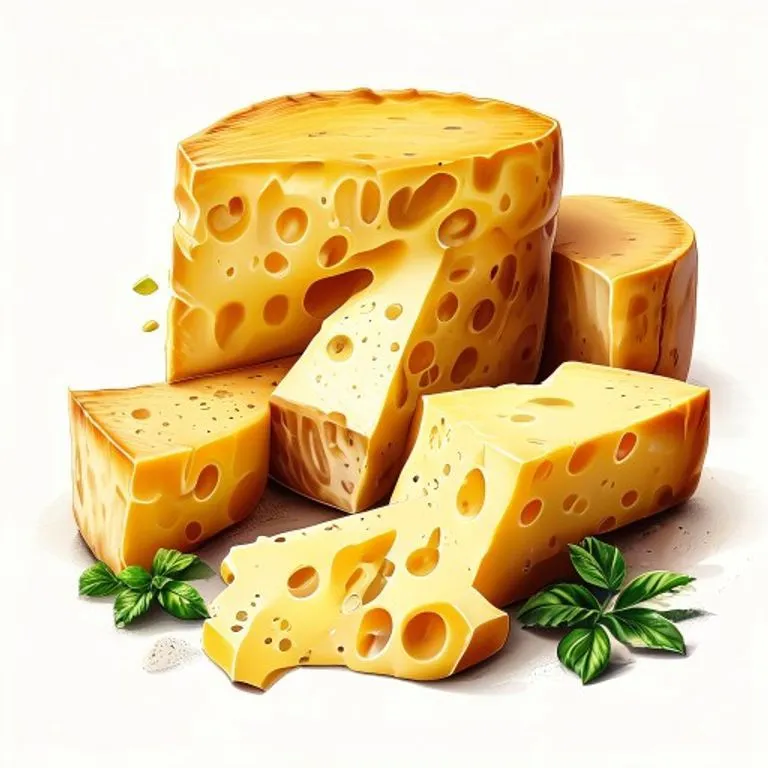
Cheese is curd transformed by salting, pressing, and aging to concentrate nutrients and extend storage. It converts fresh milk into a durable, portable food with diverse textures and flavors.
Description of what it is like
Cheese ranges from soft and creamy to hard and brittle. Aging deepens aroma and taste, while moisture content controls texture and melt behavior.
Origin and where to find it
- Environments: Made wherever Livestock provide milk and cool, clean spaces allow aging.
- Signs: Stored wheels or blocks, brine vats, and drying racks.
- It is a processed material.
Minimum processing required
- Curd formation: Start with fresh curd from acid or rennet coagulation.
- Draining: Remove whey to control moisture.
- Salting: Dry salt or brine to stabilize and flavor.
- Pressing/Aging: Press for firmness and age in a cool, clean place.
- If skipped: High moisture and low salt lead to rapid spoilage.
Tools needed to work on it
- Vessels: Clean Containers or Clay pots.
- Heat: Gentle Fire for controlled warming.
- Cloth: Fabric for draining and wrapping.
- Weights: Stones or simple presses for shaping.
Common forms of use
- Fresh cheeses for immediate meals.
- Semi-hard cheeses for cooking and storage.
- Hard, aged cheeses for long travel.
- Grated or melted cheese as seasoning.
Possible substitutes
- Dried or salted meats for long storage protein.
- Dried legumes or nuts when animal milk is unavailable.
Limitations and common failures
- Spoilage: Warm storage or dirty tools can ruin batches.
- Cracking: Over-drying during aging splits the rind.
- Unwanted mold: Poor airflow or excess humidity causes off-flavors.
- Salt imbalance: Too little salt spoils; too much makes it inedible.
Risks and safety
- Foodborne illness: Raw milk and poor sanitation can carry pathogens.
- Allergies: Dairy proteins can trigger reactions.
- Histamine: Aged cheeses can affect sensitive people.
Related materials
- Curd & Cheese: Base curd and early stages of cheese making.
- Living Cheese: Culture-ripened cheeses with active rinds.
- Processed Cheese: Re-melted cheese with stable melt.
- Blue Cheese: Mold-ripened cheese with distinctive veining.
- Unripened Cheese: Fresh cheese without aging.
- Salt: Preservation and flavor.
- Water: Cleaning and brining.
- Animal Fat: Shared dairy fat source.
- Fabric: Straining and wrapping.
- Wood: Shelves and boards for aging.
Properties
- Protein-rich
- Fatty
- Aged
- Salty
- Dense
Used for
- Food
- Preservation
- Cooking ingredient
- Trade good
- Travel ration
Manufacturing / Process
Pressing and aging salted curd to reduce moisture and develop flavor.