SyntheticGenerated with AI3 min read
Living Cheese
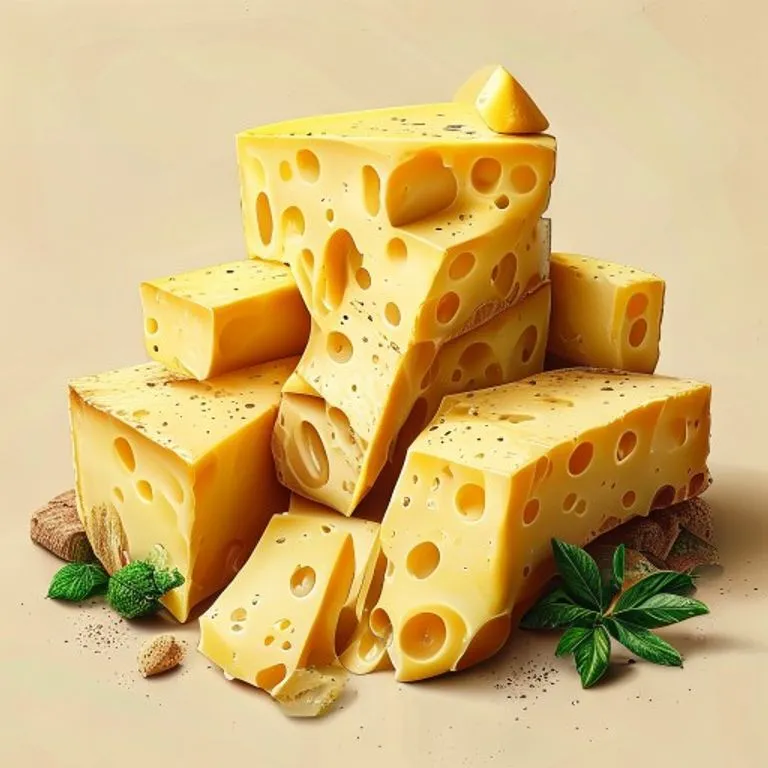
Living cheese is curd ripened by active cultures on or within the rind. The surface stays biologically active, producing complex aromas and a softening texture that evolves over time.
Description of what it is like
The rind can be bloomy, washed, or lightly sticky, while the interior shifts from firm to creamy as cultures work inward. Aroma ranges from mild and buttery to earthy and pungent depending on the microbes used.
Origin and where to find it
- Environments: Made wherever Livestock provide milk and aging spaces allow steady humidity.
- Signs: Softening wheels, fragrant rinds, and controlled airflow in cool storage.
- It is a processed material.
Minimum processing required
- Curd base: Make fresh curd using acid or Enzymes and drain.
- Inoculation: Add live cultures or surface spores, often from Fungi.
- Salting: Light salt to control moisture and guide microbes.
- Ripening: Maintain humidity and airflow until texture and rind stabilize.
- If skipped: Poor airflow or dry conditions stall ripening and invite spoilage.
Tools needed to work on it
- Vessels: Clean Containers or Clay pots.
- Cloth: Fabric for draining and wrapping.
- Aging surfaces: Wood boards for airflow.
- Water and salt: Water and Salt for washing and brining.
Common forms of use
- Soft-ripened wheels eaten fresh with bread.
- Washed-rind cheeses for strong flavor and cooking.
- Ripened wedges used to enrich soups and sauces.
- Small wheels traded as high-value rations.
Possible substitutes
- Blue Cheese for strong flavor with different microbes.
- Cheese when active rind ripening is not possible.
- Unripened Cheese for short-term dairy use.
Limitations and common failures
- Overgrowth: Excess humidity creates slimy rinds and bitter flavors.
- Drying: Low humidity cracks the rind and halts ripening.
- Contamination: Unclean tools introduce unwanted microbes.
- Texture collapse: Too warm storage liquefies the core.
Risks and safety
- Foodborne illness: Raw milk or poor hygiene can carry pathogens.
- Allergies: Dairy proteins and molds can trigger reactions.
- Histamine: Ripened cheeses can affect sensitive people.
Related materials
- Curd & Cheese: Base curd process and early stages.
- Cheese: Aged dairy category for longer storage.
- Blue Cheese: Mold-ripened variant with strong flavor.
- Unripened Cheese: Fresh curd without aging.
- Enzymes: Coagulation catalysts for curd.
- Fungi: Source of surface cultures.
- Salt: Moisture control and flavor.
- Water: Cleaning, washing, and humidity control.
- Fabric: Draining and wrapping.
- Wood: Aging boards and shelving.
Properties
- Culture-ripened
- Moist
- Aromatic
- Active rind
- Perishable
Used for
- Food
- Cooking ingredient
- Preservation
- Flavor enhancer
- Trade good
Manufacturing / Process
Inoculating curd with live cultures, managing humidity, washing or blooming the rind, and aging until texture ripens.