Generated with AI2 min read
Controlled Fire
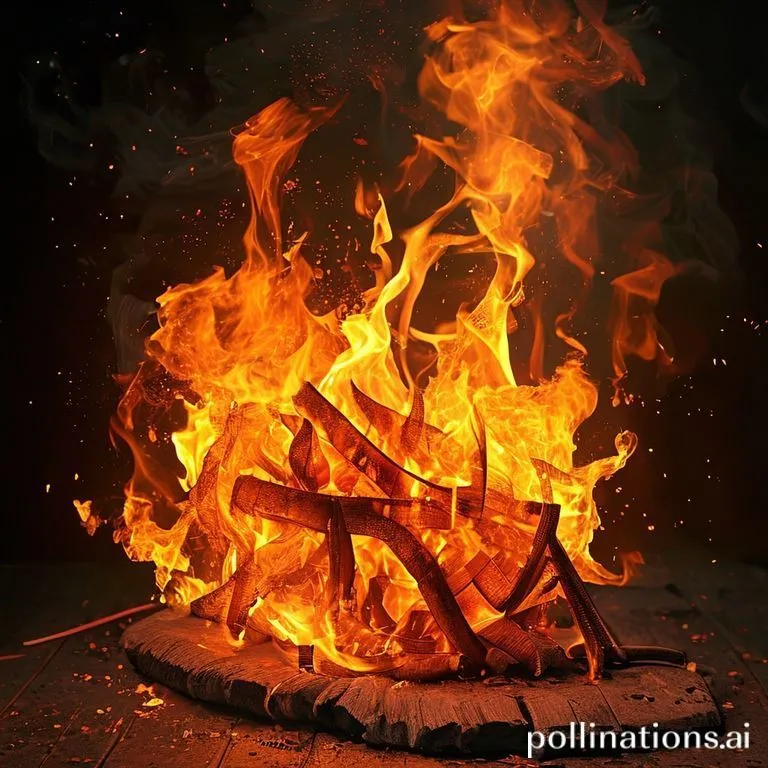
Brief description
Fire is a rapid oxidation chemical reaction that releases heat and light. It is one of humanity’s most fundamental discoveries, allowing control over the environment.
Use / Function
- Cooking: Makes food more digestible and eliminates pathogens.
- Heating: Allows survival in cold climates.
- Protection: Keeps predators away.
- Lighting: Extends hours of activity after sunset.
- Materials processing: Hardening wood, smelting metals, or firing pottery.
Operating principle
It is based on the Fire Triangle, which requires three components:
- Fuel: Material that burns (wood, charcoal).
- Oxidant: Usually oxygen from the air.
- Activation energy: Initial heat to start the reaction.
How to create it
- Friction: Hand Drill Fire, Bow Drill Fire, Fire Plow, Fire Saw.
- Percussion: Flint and Pyrite Ignition.
- Compression: Fire Piston.
- Solar: Solar Ignition.
Minimum functional version: a dry tinder bundle, an ember source (friction or sparks), and staged kindling that grows a stable flame.
Required technological level
Basic to intermediate. Friction methods are low tech; reliable ignition and fuel control improve with practice.
Materials needed
- Essential: Dry wood, tinder (dry leaves, fungi, fine fibers).
- Tools: Flint stones, hard and soft wood sticks.
- Substitutes: Dry dung or peat for fuel, resin-rich bark for tinder, or charcoal dust as ember extender.
Variants and improvements
- Torches: For light transport.
- Controlled bonfires: For cooking and heat.
- Matches and lighters: Modern versions for instant ignition.
Limits and risks
- Wildfires: Can spread out of control destroying ecosystems or homes.
- Burns: Direct damage to living tissues.
- Asphyxiation: Smoke in closed places can be deadly.