SyntheticGenerated with AI2 min read
Unripened Cheese
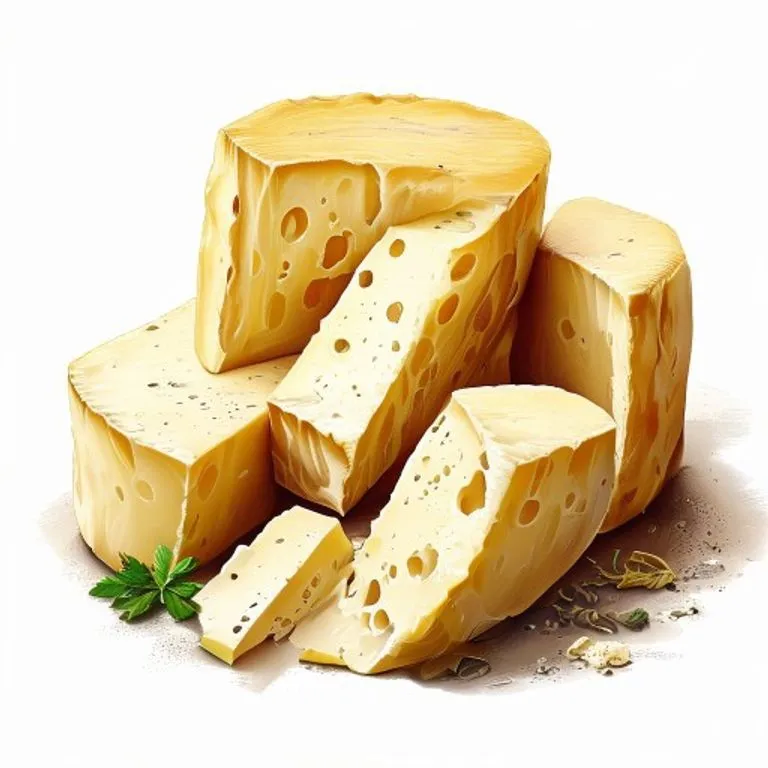
Unripened cheese is fresh curd drained and lightly salted without aging. It preserves milk for short periods while keeping a soft texture and mild flavor.
Description of what it is like
Soft, moist, and creamy, sometimes crumbly depending on how much whey is drained. Flavor is mild and slightly tangy, with high moisture content.
Origin and where to find it
- Environments: Made wherever Livestock provide milk and clean containers are available.
- Signs: Fresh milk, light acid or rennet sources, and clean cloth for draining.
- It is a processed material.
Minimum processing required
- Coagulation: Warm milk and add acid or Enzymes to form curds.
- Draining: Pour through Fabric to remove whey.
- Light salting: Mix a small amount of Salt to stabilize briefly.
- If skipped: High moisture and low salt lead to fast spoilage.
Tools needed to work on it
- Vessels: Clean Containers or Clay pots.
- Heat: Gentle Fire to warm milk.
- Cloth: Fabric for draining.
Common forms of use
- Fresh curd eaten immediately.
- Soft cheeses for spreads or fillings.
- Crumbled cheese for salads and soups.
Possible substitutes
- Thickened milk or yogurt when available.
- Dried legumes or nuts for protein when no milk exists.
Limitations and common failures
- Spoilage: Short shelf life without cooling.
- Wateriness: Poor draining makes it runny and bland.
- Sourness: Excess acid produces harsh flavor and brittle curd.
Risks and safety
- Foodborne illness: Raw milk and poor sanitation can carry pathogens.
- Allergies: Dairy proteins can trigger reactions.
Related materials
Properties
- High-moisture
- Protein-rich
- Mild
- Perishable
- Slightly acidic
Used for
- Food
- Cooking ingredient
- Fresh preservation
- Quick protein source
- Trade good
Manufacturing / Process
Coagulation of milk with acid or rennet, draining whey, and light salting without aging.