Generated with AI3 min read
Mining
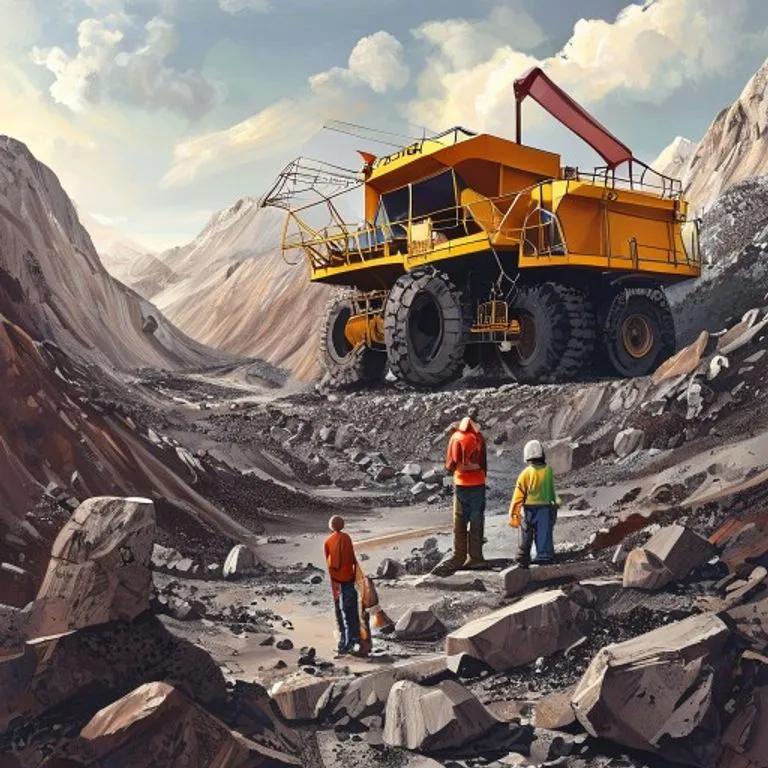
Brief description
Mining is the controlled extraction of minerals, stone, and fuels from the ground. It ranges from surface gathering and quarrying to shafts and tunnels, and it feeds metallurgy, construction, and energy systems.
Use / Function
- Metals: Supplies ores for Iron, Copper, and alloys.
- Fuel: Provides Coal for heat and industry.
- Construction: Delivers Stone, Sand, and Clay.
- Materials processing: Enables smelting, ceramics, and durable tools.
- Trade: Concentrates valuable resources for exchange.
- Scale: From hand collection to organized shafts and quarries.
Operating principle
- Prospecting: Identify seams or outcrops by color, density, and surface clues.
- Fracture: Use impact and leverage to break host rock.
- Separation: Sort by size and density; wash with Water to concentrate ore.
- Support and access: Stabilize openings with Wood and Reinforcements, and plan routes.
- Hauling: Move rock using Rope, Carts, and Pulleys.
How to create it
- Survey: Follow streams, slopes, and exposed rock for ore signs.
- Choose method: Start with surface pits or trenches before shafts.
- Open access: Remove overburden, cut steps, and add Reinforcements if walls crumble.
- Extract: Break rock with a Pickaxe and Shovel, then sort.
- Haul: Use Rope, Pulleys, and Carts to move material.
- Concentrate: Wash ore and keep only the high-value fraction.
Required technological level
Basic for surface collection and panning. Intermediate for shallow pits and timbered drifts. Advanced for deep shafts with ventilation and drainage.
Materials needed
- Essential: Stone or Iron tools, Wood for supports, Reinforcements, Rope for hauling.
- Processing: Water for washing, Sand or Clay for molds when smelting.
- Tools: Pickaxe, Shovel, Cart, Pulley, Controlled Fire, Safety Lamp for enclosed lighting in gassy workings.
- Substitutes: Stone hammers, woven baskets, sleds, or drags.
Variants and improvements
- Placer mining: Panning or sluicing in rivers for heavy minerals.
- Open pit and quarry: Wide surface cuts for stone and ore.
- Adits and drifts: Horizontal tunnels following a seam.
- Shaft mining: Vertical access to deeper deposits.
- Mechanical lifting: Wheel and Axle systems with pulleys.
Limits and risks
- Collapse: Unstable roofs and walls can fail.
- Air quality: Dust and gases accumulate in enclosed spaces.
- Toxic gases: Methane, carbon monoxide, and hydrogen sulfide can build up; test airflow and vent continuously.
- Gas ignition: Open flames can trigger explosions; a Safety Lamp reduces risk and signals gas but never replaces ventilation.
- Flooding: Water can fill shafts and pits quickly.
- Exhaustion: Heavy labor and heat stress reduce safety.
- Environmental damage: Erosion and habitat loss without reclamation.
Related materials
- Stone: Core host and building material.
- Iron: Target metal for tools and machines.
- Copper: Early metal extracted from ore.
- Coal: Fuel for high heat.
- Charcoal: Cleaner smelting fuel.
- Wood: Supports and handles.
- Water: Washing and dust control.
- Clay: Molds and lining.
- Sand: Abrasive and mold temper.
- Gravel: Drainage and access roads.
Related inventions
- Pickaxe: Breaking rock and ore.
- Shovel: Moving loose material.
- Cart: Surface hauling.
- Pulley: Lifting in shafts.
- Rope: Hoisting and securing loads.
- Reinforcements: Stabilizing shafts and tunnels.
- Controlled Fire: Light, heat, and rock fracturing.
- Safety Lamp: Enclosed lighting for gassy workings.
- Wheel: Rolling transport and lifting systems.
- Axle: Support for wheels and carts.