Generated with AI2 min read
Shovel
Brief description
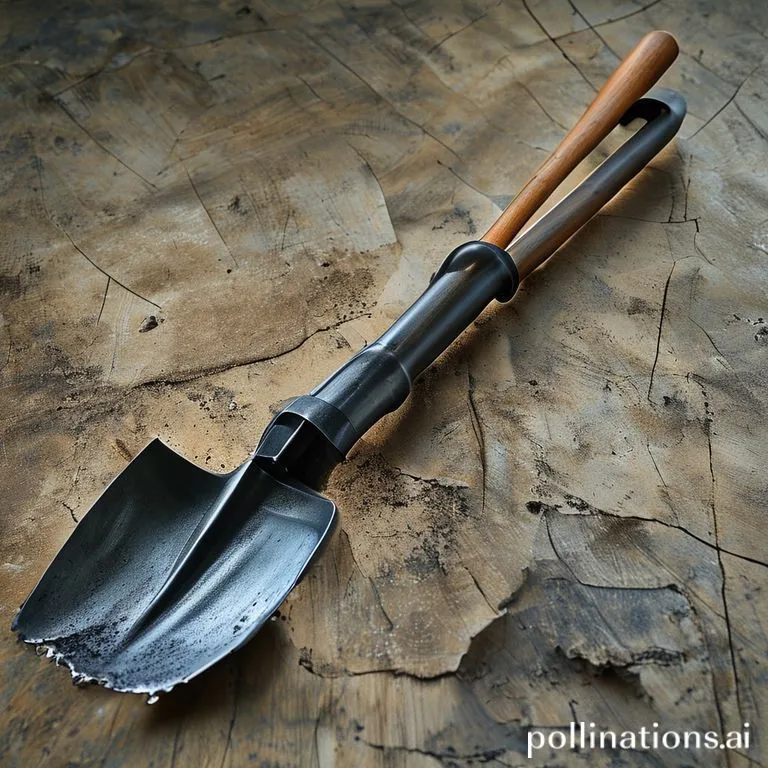
A shovel is a tool for digging, lifting, and moving bulk materials, such as soil, coal, gravel, snow, sand, or ore. It is an evolution of the simple digging stick.
Use / Function
- Digging: Excavating trenches, holes for posts, or foundations.
- Agriculture: Turning over soil, planting, and harvesting root crops.
- Construction: Moving loose materials like sand, cement, or earth.
- Scale: Individual.
Operating principle
It combines two simple machines:
- Wedge: The sharp edge of the blade cuts into the material.
- Lever: The long handle allows the user to lift heavy loads with less force using the hands as a fulcrum.
How to create it
- Blade Selection: Find a flat, broad material. A large animal shoulder blade (scapula), a flat stone, or a carved piece of hardwood.
- Handle: Select a straight, sturdy branch.
- Assembly:
- Bone/Stone: Lash the handle to the blade using wet rawhide or strong cordage. A split-stick mount can hold a stone blade.
- Wood: Can be carved from a single piece of log (monoxylous).
- Metal: Forge a blade with a socket to accept the wooden handle.
- Technical level: Basic to Intermediate (depending on material).
Materials needed
- Essential:
- Blade: Hardwood, Bone (Scapula), Stone, or Metal.
- Handle: Strong wood (Ash, Hickory).
- Tools: Knife, Axe, or abrasive stones for shaping.
- Substitutes: Digging stick, large shell, hands.
Variants and improvements
- Digging Stick: The simplest precursor; a sharpened stick hardened by fire.
- Spade: Designed specifically for digging, often with a flatter blade and shorter handle.
- Square-point shovel: Better for moving loose material from a flat surface.
- Round-point shovel: Better for digging into hard ground.
Limits and risks
- Durability: Wooden or bone shovels wear out quickly in rocky soil.
- Ergonomics: Improper use can lead to severe back strain or repetitive strain injuries.
- Efficiency: Moving large amounts of earth by hand is extremely energy-intensive.