Generated with AI2 min read
Structural reinforcements
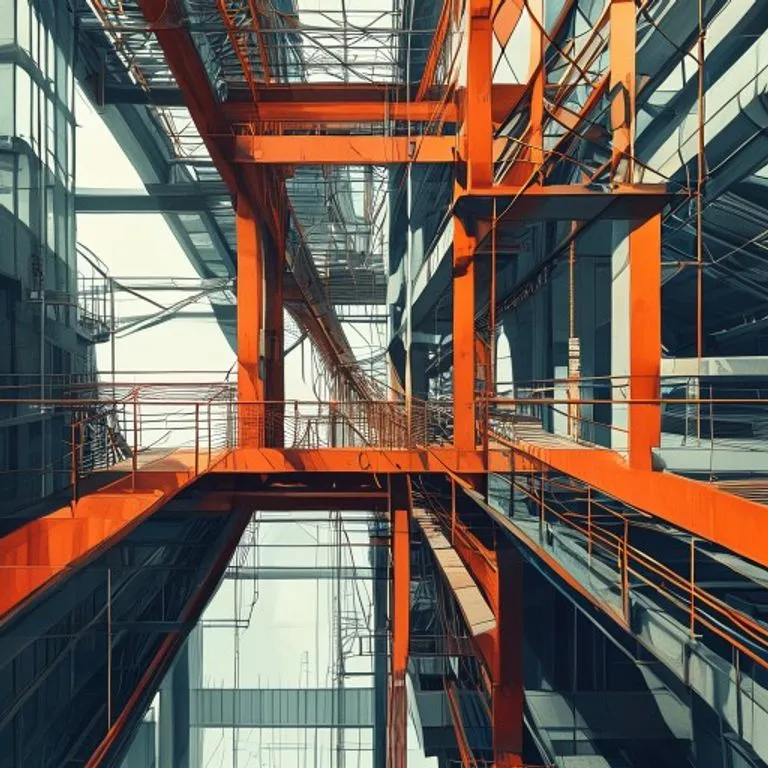
Brief description
Structural reinforcements are support systems that stabilize excavations, tunnels, and shafts to prevent collapses and keep access safe.
Use / Function
- Ground stability: Hold unstable roofs and walls.
- Safety: Reduce collapses and rock falls during extraction.
- Access continuity: Keep entry, ventilation, and evacuation routes open.
- Depth: Enable deeper and longer-lasting excavations.
- Scale: From small pits to extended tunnels.
Operating principle
- Load transfer: Posts and frames redirect weight into more stable ground.
- Confinement: Timbering and lining keep loose material from moving.
- Redundancy: Multiple supports spread risk across many contact points.
- Anchoring: Wedges and lashings lock pieces so they do not shift.
How to create it
- Assess ground: Identify soft zones, fractures, and moisture.
- Choose the system: Timber posts, A-frames, plank timbering, or stone lining.
- Prepare bases: Level contact points and place wedges for tight bearing.
- Install supports: Set posts and caps from the entrance toward the working face.
- Line the walls: Add boards or stone to contain loose material.
- Technical level: Basic for timber posts, intermediate for timbered drifts, advanced for metal sets.
Materials needed
- Essential: Wood for posts and frames, Stone or Clay for lining, Iron or Steel for clamps and bracing.
- Tools: Hammer, saw, chisel, wedges, cordage or fiber lashings.
- Substitutes: Compacted earth, dry-stacked stone walls, Plant fibers for lashings.
Variants and improvements
- Timber sets: Posts and caps with board lining.
- Cribs or cages: Log boxes for soft ground.
- Stone lining: Masonry for stable, long-lived tunnels.
- Metal frames: Steel arches for high loads and long service.
Limits and risks
- Degradation: Wood rots with moisture; metal corrodes.
- Bad installation: A poorly seated support can fail suddenly.
- Maintenance: Requires frequent inspection and replacement.
- False security: Weak supports can encourage unsafe depth.