NaturalGenerated with AI2 min read
Gravel
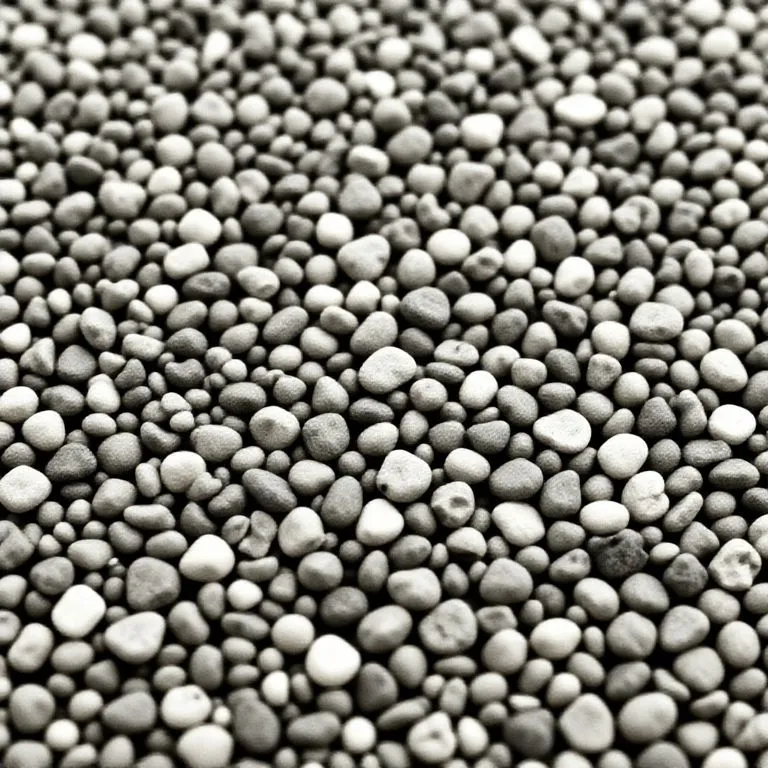
Brief description
Gravel is a loose aggregation of rock fragments. It is classified by particle size range and includes size classes from granule- to boulder-sized fragments.
Description of what it is like
Small, hard stones. They can be rounded (river gravel) or angular (crushed stone). The color and texture depend on the parent rock.
Origin and where to find it
- Environments: Riverbeds, streams, and geological deposits where water has flowed.
- Signs: Accumulations of small stones.
- Natural: Yes, widely available.
Minimum processing required
- Collection: Shoveling.
- Washing: To remove dirt and silt.
- Sorting/Sifting: Separating by size using screens.
Tools needed to work on it
- Shovel: For moving it.
- Sieve/Screen: For sorting sizes.
- Rake: For spreading.
Common forms of use
- Drainage: Provides a porous layer for water to flow through (e.g., French drains).
- Roads: Base layer for roads or surface for driveways.
- Concrete: Mixed with cement and sand to add bulk and strength.
- Filtration: Used in water filters to trap particles.
Possible substitutes
- Crushed Stone: Artificially produced gravel.
- Sand: For finer applications (though less permeable).
- Recycled Concrete: Crushed concrete can act as gravel.
Limitations and common failures
- Instability: Rolls and shifts if not contained.
- Weeds: Plants can grow through it easily.
- Migration: Can be washed away by heavy water flow if not secured.
Risks and safety
- Heavy: Moving large amounts is strenuous.
- Projectiles: Can be thrown by tires or machinery.
Related materials
- Sand: Smaller particles.
- Stone: Larger parent material.
- Concrete: Composite material using gravel.
Properties
- Loose
- Permeable
- Durable
- Granular
Used for
- Drainage
- Road construction
- Concrete aggregate
- Filtration
Manufacturing / Process
Collected from riverbeds or produced by crushing stone.