SyntheticGenerated with AI3 min read
Tile
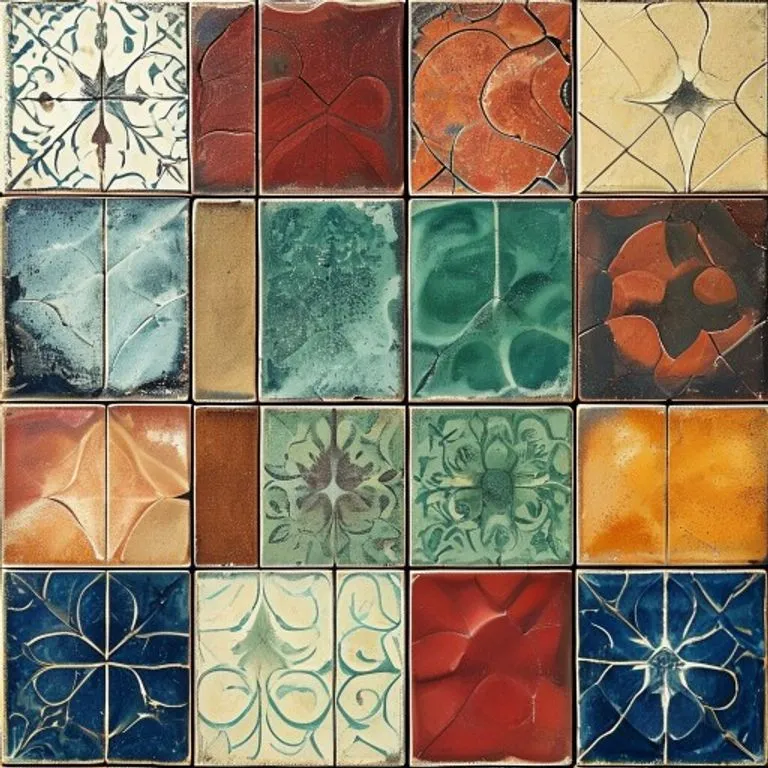
A tile is a manufactured piece of hard-wearing material such as ceramic, stone, metal, baked clay, or even glass, generally used for covering roofs, floors, walls, or other objects such as tabletops.
Description of what it is like
Tiles are typically thin, square or rectangular shapes. Roof tiles are often curved (like the Spanish or Roman style) to interlock and channel water. Floor and wall tiles are usually flat, glazed or unglazed, and can be highly decorative. They are hard, cold to the touch, and brittle.
Origin and where to find it
Tiles are manufactured products.
- Ceramic Tiles: Made from Clay, Sand, and other minerals, then fired in a Kiln.
- Concrete Tiles: Made from a mixture of Cement, Sand, and Water.
- Stone Tiles: Cut from natural Stone (like slate, marble, granite).
Minimum processing required
- Preparation: Mix the raw materials (clay/water or cement/sand/water) to a plastic consistency.
- Molding: Shape the mixture into tiles using molds or extrusion. For roof tiles, specific curves are formed.
- Drying: Allow to dry to remove moisture.
- Firing/Curing:
- Clay: Fire in a Kiln at high temperatures (vitrification).
- Concrete: Allow to cure and harden over time.
- Glazing (Optional): Apply a glass-like coating for waterproofing and decoration before a second firing.
Tools needed to work on it
- Molds: Wooden or metal frames to shape the tiles.
- Kiln: Essential for ceramic tiles.
- Trowel: To apply Mortar for fixing tiles.
- Tile Cutter: To cut tiles to fit specific spaces.
Common forms of use
- Roofing: Overlapping tiles to shed water. Common shapes include flat, pantile, Roman, and barrel (monk and nun).
- Flooring: Durable and easy-to-clean surface for interiors and exteriors.
- Walls: Protective and decorative covering for kitchens, bathrooms, and facades.
- Drainage: Porous tiles used for drainage pipes.
Possible substitutes
- Wood Shingles: Lighter but less fire-resistant.
- Slate: Very durable natural alternative for roofing.
- Metal Sheets: Lightweight and durable roofing.
- Thatching: Plant stalks used for roofing (insulating but flammable).
- Brick: Can be used for flooring but is thicker.
Limitations and common failures
- Brittleness: Tiles break easily under impact.
- Weight: Roof tiles are heavy and require a strong roof structure.
- Frost Damage: Porous tiles can absorb water and crack in freezing conditions (spalling).
- Slippery: Glazed tiles can be very slippery when wet.
Risks and safety
- Falling Objects: Loose roof tiles can be dangerous.
- Cuts: Broken tiles have sharp edges.
- Silica Dust: Cutting tiles generates harmful dust.
Related inventions
- Roofing: The primary system where tiles are used.
- Frame: Structure required to support heavy tiles.
- Kiln: Required for firing clay tiles.
- Pottery: Similar manufacturing process.
- Mosaic: Art form using small tiles.
Related materials
Properties
- Water resistance
- Fire resistance
- Durability
- Thermal mass
- Aesthetics
Used for
- Roofing
- Flooring
- Wall covering
- Decoration
Manufacturing / Process
Molding of clay or concrete followed by drying and firing (for clay) or curing (for concrete).