NaturalGenerated with AI2 min read
Metal (General)
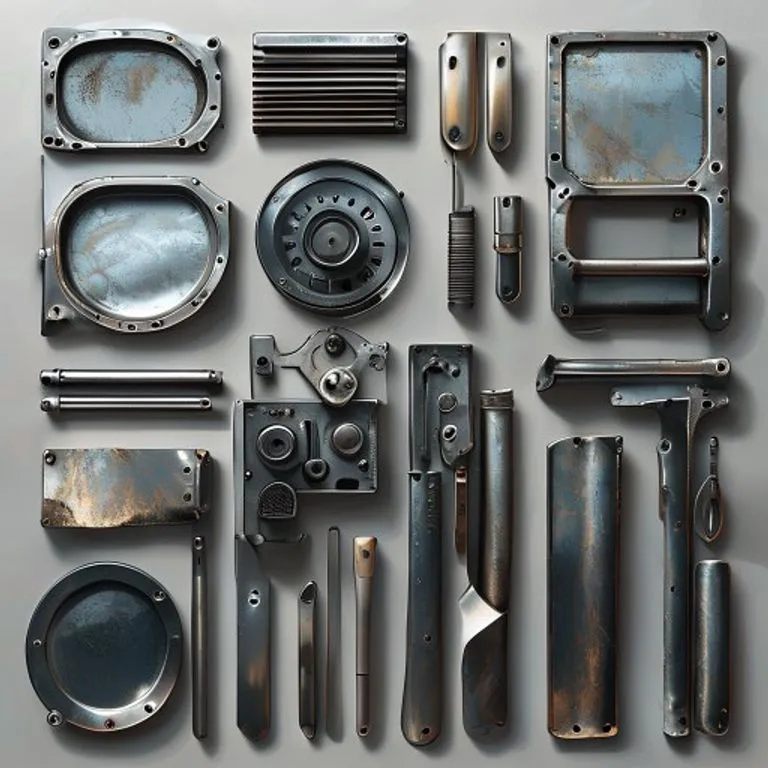
Description of what it is like
Metal is a category of materials characterized by being good conductors of heat and electricity, usually hard, opaque, shiny, and malleable (can be hammered into sheets) or ductile (can be drawn into wires).
Origin and where to find it
- Ores: Most metals are found in rock formations (ores) combined with other elements (oxygen, sulfur).
- Native Metal: Some metals like gold, copper, and meteoric iron can be found in their pure metallic form in nature.
- Scavenging: Scrap metal from ruins (steel beams, copper pipes, brass fittings) is a primary source in post-collapse scenarios.
Minimum processing required
- Smelting: Heating ore to high temperatures in a furnace to separate the metal from the rock.
- Refining: Removing impurities.
- Alloying: Mixing metals (e.g., Copper + Tin = Bronze) to improve properties.
- Forging/Casting: Shaping the metal using heat and force or molds.
Tools needed to work on it
- Furnace/Forge: To reach melting or softening temperatures.
- Crucible: To hold molten metal.
- Anvil & Hammer: For forging.
- Files & Abrasives: For finishing.
Common forms of use
- Tools & Weapons: Knives, axes, hammers, swords (Steel, Iron, Bronze).
- Cookware: Pots, pans (Copper, Cast Iron, Stainless Steel).
- Structure: Beams, nails, wire (Steel, Iron).
- Machinery: Gears, springs, engines (Steel, Brass, Aluminum).
Possible substitutes
- Cutting: Flint, obsidian, glass (sharper but more brittle).
- Structural: Wood, stone, bamboo.
- Fasteners: Rope, wooden pegs, glue.
Limitations and common failures
- Corrosion (Rust): Iron and steel oxidize in moisture; require oiling or painting.
- Fatigue: Repeated stress can cause cracks and failure.
- Weight: Heavy compared to wood or plastic.
Risks and safety
- Burns: Working with hot metal poses severe burn risks.
- Fumes: Smelting certain ores (like galena for lead) releases toxic fumes.
- Sharp Edges: Cut metal can be extremely sharp.
Related materials
Properties
- conductive
- malleable
- ductile
- strong
- lustrous
Used for
- tools
- weapons
- construction
- machinery
- cookware
Manufacturing / Process
Smelting ores to extract the metal, then refining and alloying.