SyntheticGenerated with AI3 min read
Mortar
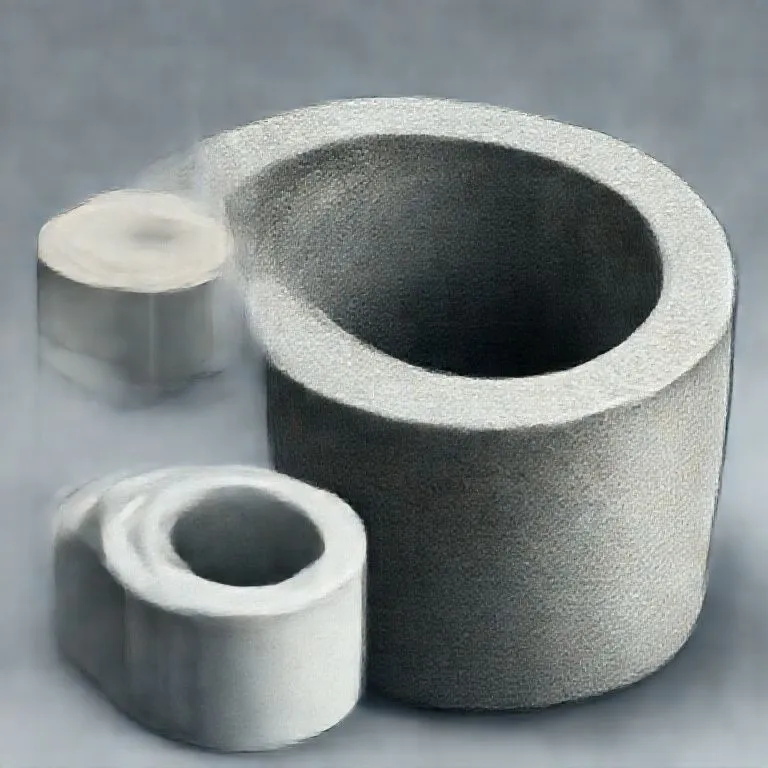
Brief description
Mortar is a workable paste used to bind building blocks such as Stone, Brick, and concrete masonry units together, fill and seal the irregular gaps between them, and sometimes add decorative colors or patterns to masonry walls. Unlike concrete, mortar is not designed to be a structural material itself but rather the “glue” that holds the structure together.
Description of what it is like
- Appearance: A thick, gritty paste when wet; hard and stone-like when dry. Color depends on the sand and binder (usually gray, white, or beige).
- Texture: Sandy and plastic (moldable) when wet; rough and solid when cured.
- Workability: Must be spreadable with a trowel but stiff enough to support the weight of the masonry unit until it sets.
Origin and where to find it
- Origin: Artificial composite material.
- History: Ancient Egyptians used gypsum mortar; Greeks and Romans used lime mortar (adding volcanic ash for underwater setting, creating pozzolanic mortar).
- Availability: Made from widely available raw materials (Sand, Lime, Water).
Minimum processing required
- Sourcing: Gather clean sand (river sand, not sea sand due to salt) and a binder.
- Preparation:
- Lime Mortar: Burn limestone to create quicklime, slake it with water to get lime putty, then mix with sand.
- Mud Mortar: Mix clay-rich soil with sand and water (and sometimes chopped straw).
- Cement Mortar: Mix Portland cement, lime (for plasticity), sand, and water.
- Mixing: Combine ingredients thoroughly until a uniform, buttery consistency is achieved. Use immediately.
Tools needed to work on it
- Trowel: For applying and shaping the mortar.
- Hawk: A flat board to hold a supply of mortar while working.
- Mixer/Hoe: For mixing the ingredients.
- Jointer: To finish the mortar joints between bricks/stones.
Common forms of use
- Bedding: The layer of mortar underneath a brick or stone.
- Pointing: The visible outer edge of the mortar joint, shaped to shed water.
- Grouting: Filling narrow gaps or voids.
- Rendering/Stucco: Coating the entire surface of a wall for protection and aesthetics.
- Bedding for Roofing: Securing ridge tiles or sealing gaps in Roofing.
Possible substitutes
- Mud/Clay: The oldest binder, still used in adobe construction (susceptible to water).
- Bitumen/Tar: Historically used in Babylon for waterproofing.
- Dry Stacking: Building without mortar (requires skilled shaping of stones).
- Glue/Adhesives: Modern construction adhesives for specific blocks (e.g., aerated concrete).
Limitations and common failures
- Cracking: Shrinkage during drying or movement of the building can cause cracks.
- Water Damage: Freeze-thaw cycles can destroy mortar if water gets inside.
- Strength Mismatch: Mortar should generally be weaker than the masonry units so that if the building moves, the mortar cracks (easy to repair) rather than the bricks/stones (hard to replace).
- Setting Time: Must be used before it begins to harden.
Risks and safety
- Chemical Burns: Lime and cement are highly alkaline (caustic) and can cause severe skin burns and eye damage. Wear gloves and goggles.
- Dust: Mixing dry ingredients creates dust that is harmful to inhale.
Related inventions
- Masonry
- Foundation
- Wall
- Roofing
- Kiln (for producing lime/cement)
Related materials
Properties
- Adhesion
- Plasticity
- Compressive strength
- Durability
Used for
- Masonry bonding
- Plastering
- Bedding tiles
- Rendering
Manufacturing / Process
Mixing sand, a binder (lime, cement, or clay), and water.