NaturalGenerated with AI2 min read
Fungi
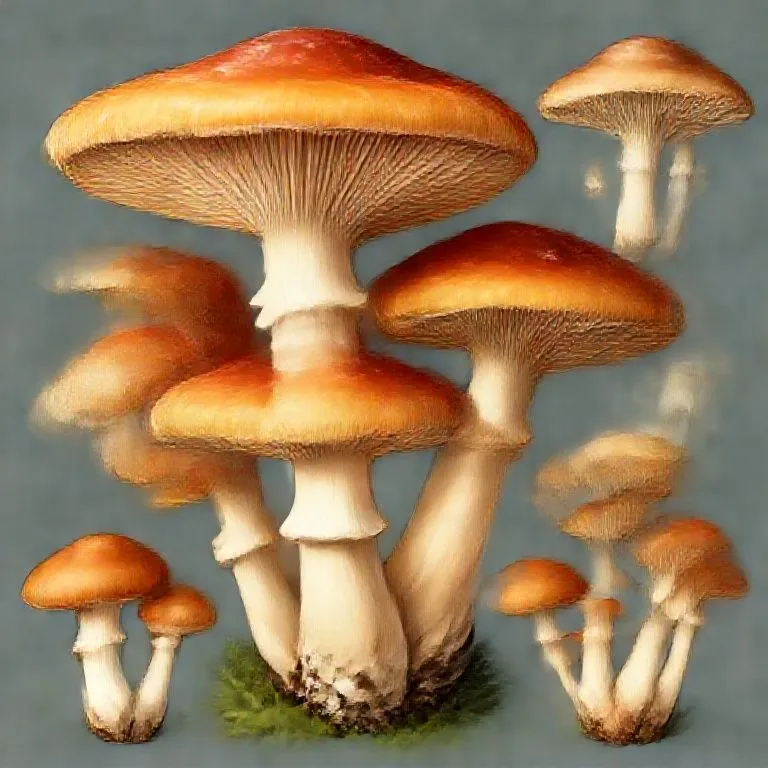
Fungi are a kingdom of organisms distinct from plants and animals, including molds, yeasts, and mushrooms. They play a key role in breaking down organic matter and can be used for food, fermentation, and other practical applications.
Description of what it is like
Fungi often appear as soft or fibrous growths, with mushrooms forming visible fruiting bodies and molds forming fuzzy or powdery layers. Beneath the surface, they grow as a web of mycelium.
Origin and where to find it
- Environments: Damp forests, decaying wood, compost piles, soil, caves, and shaded areas.
- Signs: Mushrooms after rain, white mycelium under bark, or mold on organic matter.
- It is a natural material.
Minimum processing required
- Identification: Confirm species before use.
- Cleaning: Remove dirt and insects.
- Drying or cooking: Preserves edible fungi and improves safety.
- Cultivation: Inoculate a clean substrate when growing intentionally.
Tools needed to work on it
- Knife for harvesting.
- Basket or breathable container for collection.
- Drying rack or breathable cloth for preservation.
- Containers for safe storage.
Common forms of use
- Fresh: Eaten or applied directly.
- Dried: Long-term storage, rehydrated for use.
- Cultured: Used to start fermentation or cultivate more fungi.
- Processed: Converted into tinder or soil amendments.
Possible substitutes
- Plant foods when edible fungi are unavailable.
- Chemical leaveners instead of fermentation starters.
- Synthetic antibiotics when safe medical fungi are unavailable.
Limitations and common failures
- Misidentification: Many fungi are toxic or deadly.
- Spoilage: Fresh fungi degrade quickly without drying or cooling.
- Moisture dependence: Growth stalls in dry conditions.
- Contamination: Unclean tools or substrates ruin cultures.
Risks and safety
- Toxicity: Some species cause severe poisoning.
- Allergies: Spores can trigger respiratory reactions.
- Mold toxins: Some molds produce harmful compounds.
Related materials
- Yeast: Unicellular fungi used for fermentation.
- Wood: Common substrate for many fungi.
- Plant Fibers: Substrate and growth medium.
- Water: Required for growth and cultivation.
Properties
- Decomposer
- Spore-producing
- Moisture-loving
- Can be edible or toxic
- Forms mycelium
Used for
- Food
- Fermentation starter
- Medicine and antibiotics
- Tinder
- Soil improvement and composting
Manufacturing / Process
Grown naturally in damp environments or cultivated on organic substrates like wood, straw, or compost.