Generated with AI3 min read
Beekeeping
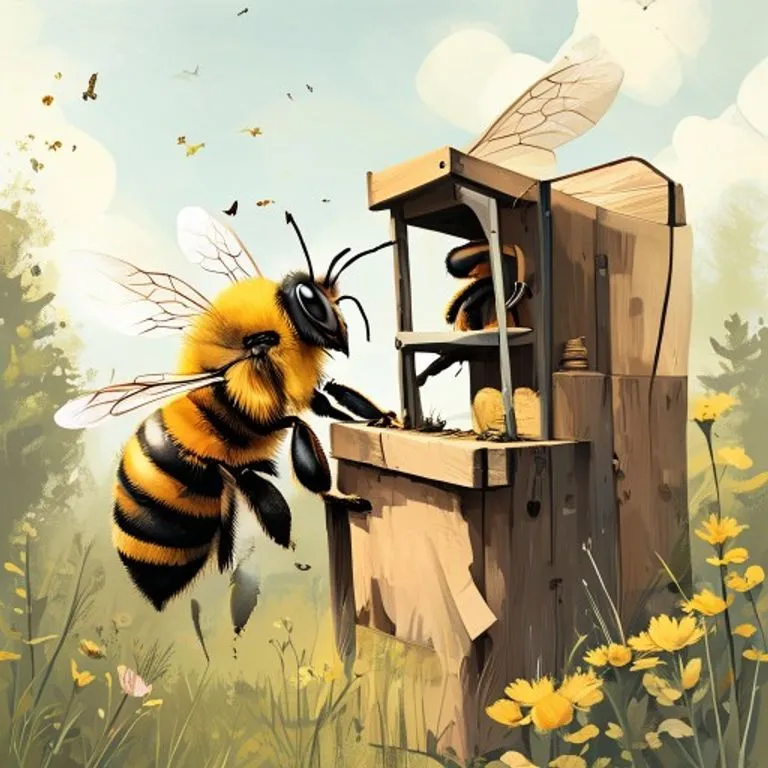
Brief description
Beekeeping is the managed care of honey bee colonies to harvest honey and wax while keeping the hive healthy and productive.
Use / Function
- Food: Harvests Honey as a stable energy source.
- Materials: Produces Beeswax for Candles, seals, and salves.
- Pollination: Increases yield of nearby crops and wild plants.
- Trade: Honey and wax store well and travel easily.
- Pest control: Uses Traps to reduce rodents and hive predators.
Operating principle
- Nectar conversion: Bees turn nectar into honey and store it in wax cells.
- Hive shelter: A dry, protected cavity reduces weather stress and predators.
- Smoke control: Cool smoke from a small Fire masks alarm cues and calms the colony.
- Space management: Removing full combs and adding empty space reduces swarming.
Protection
- Beekeeper barrier: Simple veils and wraps from Plant fibers reduce face stings while keeping visibility.
- Calm handling: Cool smoke from Fire lowers defensive response and allows slower, safer movements.
- Hive hardening: Seal cracks with Resin and keep hives elevated on Wood supports to limit damp and crawling pests.
- Perimeter defense: Place Traps near approach paths and keep clear flight lanes in an Apiary.
How to create it
- Choose a site: Select a spot with sun, wind break, nearby Water, and abundant flowers. For multiple hives, plan an Apiary.
- Build a hive: Use a hollow log or box of Wood with a small entrance.
- Attract bees: Rub the inside with Beeswax or place old comb as bait.
- Stabilize the colony: Keep the hive dry, ventilated, and level.
- Manage the comb: Inspect occasionally, remove damaged comb, and add space when full.
- Harvest: Take capped honeycomb, leaving enough stores for the colony.
- Render wax: Melt and strain comb for reusable wax.
Required technological level
Basic to intermediate. Simple log hives are low tech; box hives and regular inspection require more skill.
Materials needed
- Essential: Wood for the hive, Beeswax as comb starter, water nearby.
- Tools: Knife, Containers for honey, smoke source from Fire.
- Substitutes: Woven baskets sealed with Resin, clay pot hives with small entrances.
Variants and improvements
- Log hives: Simple hollowed trunks, minimal maintenance.
- Top-bar hives: Removable bars for cleaner harvest.
- Box hives: Stackable sections for expansion and easier inspection.
- Migratory keeping: Moving hives to follow seasonal blooms.
Limits and risks
- Stings and allergies: Protective clothing and distance reduce risk.
- Disease and pests: Mites, mold, or starvation can collapse colonies.
- Robbing: Strong colonies may steal honey from weak ones.
- Overharvest: Taking too much honey weakens the hive.
- Heat stress: Poor ventilation can melt combs or kill brood.
Related materials
- Honey: Primary product for food and trade.
- Beeswax: Structural comb material and byproduct.
- Wood: Hive body and frames.
- Plant fibers: Wrapping, covers, and simple veils.
- Water: Essential for bees and cleaning.
- Resin: Seals cracks and protects hive joints.
Related inventions
- Containers: Storage for honey and wax.
- Controlled Fire: Smoke for gentle hive handling.
- Candle: Main use for refined beeswax.
- Apiary: Managed site for multiple hives.
- Traps: Reduce rodents and hive predators near hives.