NaturalGenerated with AI2 min read
Beeswax
Made of
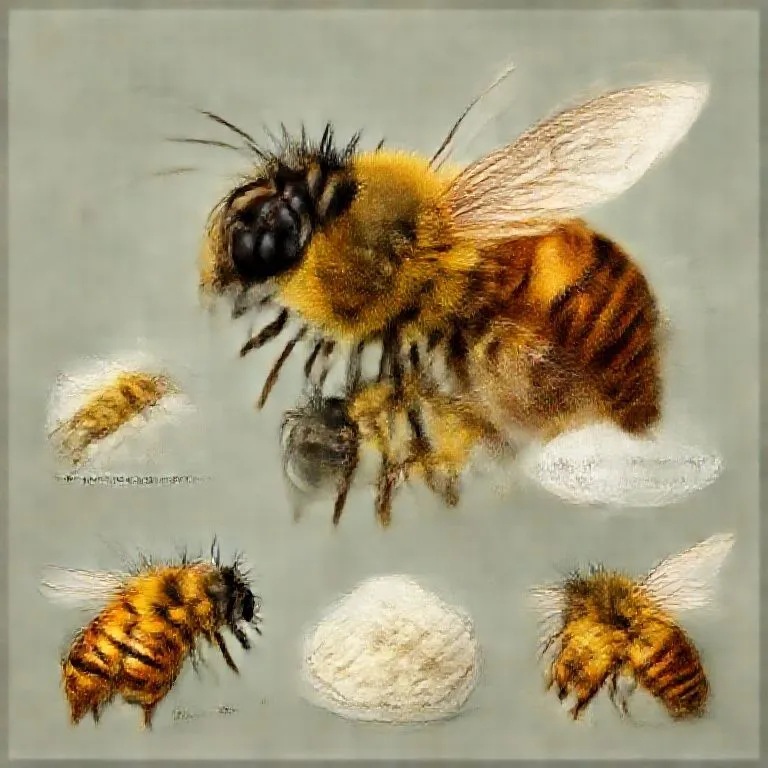
Beeswax is a natural wax produced by honey bees of the genus Apis. The wax is formed into scales by eight wax-producing glands in the abdominal segments of worker bees, which discard it in or at the hive.
Description of what it is like
It is a tough wax formed from a mixture of several chemical compounds. It is solid at room temperature, brittle when cold, and becomes soft and pliable when held in the hand. It has a pleasant, honey-like aroma.
Origin and where to find it
- Environments: Wherever honey bees are found (wild or domesticated).
- Signs: Beehives, honeycombs.
- It is a natural material: Produced directly by bees.
Minimum processing required
- Harvesting: Collecting honeycombs (after removing honey).
- Melting: Heating in water to separate wax from debris.
- Straining: Filtering through cloth to remove impurities.
- Cooling: Allowing it to solidify into cakes.
Tools needed to work on it
- Pot: For melting (double boiler recommended).
- Strainer/Cloth: For filtering.
- Molds: For shaping.
Common forms of use
- Solid Block: For rubbing onto threads or tools.
- Melted: For dipping candles or mixing into salves.
- Paste: Mixed with oil or turpentine for polish.
Possible substitutes
- Paraffin Wax: Petroleum-derived, cheaper but not renewable.
- Soy Wax: Plant-based, softer.
- Animal Fat (Tallow): Can be used for candles but smells and is softer.
- Pine Resin: For waterproofing, but is sticky and brittle.
Limitations and common failures
- Melting Point: Melts at relatively low temperatures (~62°C / 144°F).
- Brittleness: Can crack in freezing temperatures.
- Flammability: Can ignite if overheated directly.
Risks and safety
- Burns: Melted wax can cause burns.
- Fire: Highly flammable when molten; never leave unattended on heat.
Related materials
- Honey: Produced alongside wax.
- Animal Fat: Another lipid used for similar purposes.
- Pine Resin Glue: Beeswax is added to make it flexible.
Properties
- Waterproof
- Malleable
- Flammable
- Lubricant
Used for
- Candles
- Waterproofing
- Cosmetics
- Polish
- Lubricant
- Sewing
Manufacturing / Process
Secreted by worker bees to build honeycombs. Harvested by melting the comb and straining out impurities.