Generated with AI2 min read
Candle
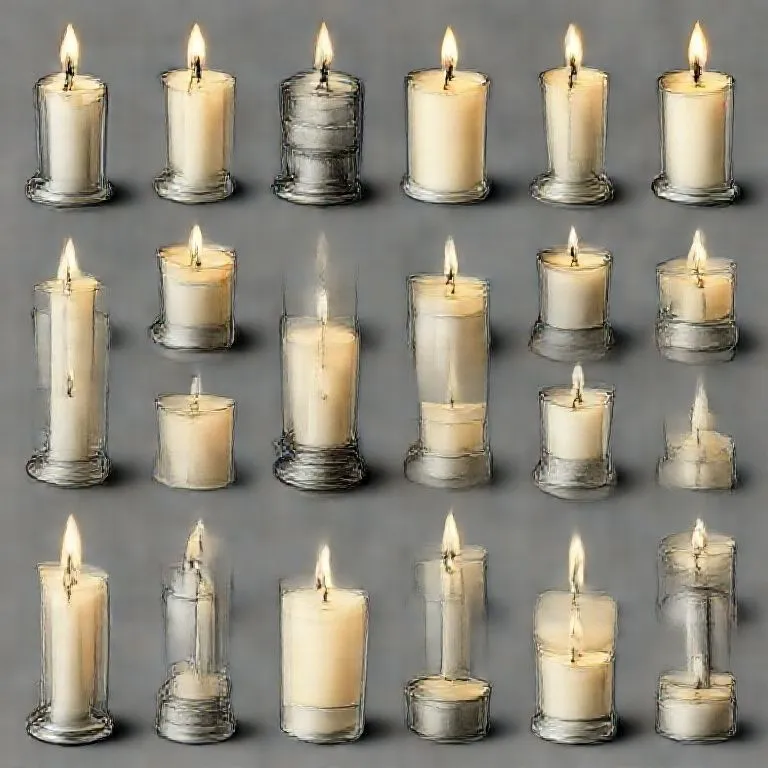
Brief description
A candle is a portable light source consisting of a wick embedded in a block of solid fuel (wax or fat) that melts slowly as it burns.
Use / Function
- Primary use: Portable and independent lighting.
- Secondary uses: Timekeeping (candle clocks), rituals, wax sealing.
- Scale: Domestic and personal.
Operating principle
The heat from the wick’s flame melts the solid fuel just below it. This liquid fuel is drawn up the wick (capillarity) to the flame, where it vaporizes and burns. As the fuel is consumed, the candle shortens.
How to create it
Minimum functional version (Dipped Candle)
- Prepare the wick: Tie a small weight to a cotton or plant fiber string.
- Melt the fuel: Heat tallow or beeswax in a tall container until liquid (careful, it is flammable!).
- Dipping: Dip the wick into the liquid and remove it quickly. Let the layer of fat cool and harden.
- Repetition: Repeat the process many times until the candle has the desired thickness.
Technical level
- Basic: Requires only natural materials and simple modeling.
Advanced version (Mold)
- Place the wick centered in a tube or mold (bamboo, clay, metal).
- Pour the melted wax into the mold.
- Wait for it to cool completely and remove from mold.
Materials needed
- Essential:
- Solid Fuel: Beeswax (often from Beekeeping), Animal Fat (beef/mutton tallow; pork is too soft).
- Wick: Braided Cotton, flax, Plant Fibers.
- Tools: Containers for melting, a heat source from Controlled Fire, and a simple mold (bamboo, Clay, or metal).
- Possible substitutes: Softer fats for quick emergency candles, or twisted Plant Fibers when cotton is unavailable.
Variants and improvements
- Tallow Candle: Cheap and common, but smokes and smells bad.
- Beeswax Candle: Luxurious, pleasant smell, bright and clean flame.
- Rushlight: A peeled rush soaked in fat (very poor and quick version).
Limits and risks
- Heat: They melt in very hot weather (especially tallow).
- Fire: Open flame without protection.
- Safety: Never leave unattended.