NaturalGenerated with AI2 min read
Resin
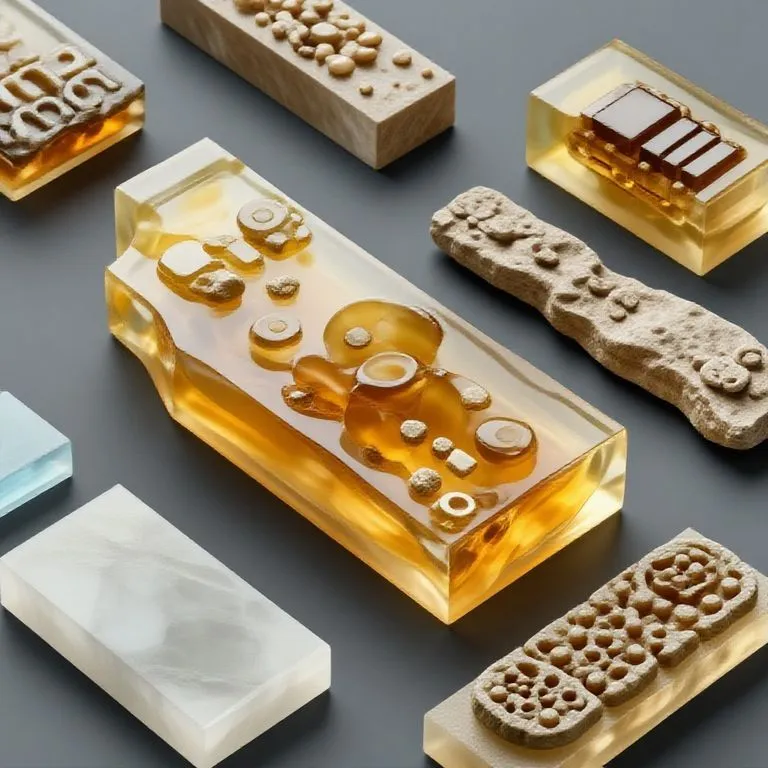
Resin is a solid or highly viscous substance of plant or synthetic origin that is typically convertible into polymers. Natural resins are often mixtures of organic compounds.
Description of what it is like
Natural resin is a sticky, thick liquid that hardens over time or when cooled. It is often translucent and ranges in color from clear to deep amber. When burned, it often produces a pleasant, aromatic smoke.
Origin and where to find it
- Environments: Forests, particularly those with pine, fir, or spruce trees.
- Signs: Sticky droplets or “tears” on tree bark; amber-colored lumps on the ground near trees.
- It is a natural material.
Minimum processing required
- Collection: Scraping from tree trunks.
- Purification: Heating and straining to remove bark, insects, and other debris.
- Hardening: Allowing it to cool or dry.
Tools needed to work on it
- Knives or scrapers for collection.
- Containers for heating.
- Strainers (cloth or fine mesh).
Common forms of use
- Raw: As a temporary adhesive or for starting fires.
- Purified: As a sealant for boats or containers.
- Rosin: Solid form used for friction-increasing applications.
Possible substitutes
- Animal Glue: Made from boiled hides and bones (not waterproof).
- Pitch/Tar: Derived from wood or coal (more durable but darker).
- Beeswax: For sealing, though less permanent and heat-sensitive.
Limitations and common failures
- Brittleness: Can become very brittle and crack in cold temperatures.
- Heat Sensitivity: Will soften or melt if exposed to high heat.
- Aging: Can become dark and lose its adhesive properties over very long periods.
Risks and safety
- Flammability: Highly flammable; must be handled carefully near open flames.
- Skin Irritation: Some people may experience allergic reactions or irritation from contact.
Related materials
- Wood: The source of most natural resins.
- Charcoal: Often produced alongside resin when heating wood.
- Pine Resin Glue: Made from resin.
- Natural Rubber: Another type of plant exudate.
Properties
- Adhesive
- Waterproof
- Flammable
- Insulator
Used for
- Sealant
- Adhesive
- Varnish
- Incense
Manufacturing / Process
Excreted by plants, especially coniferous trees. Can be collected directly or extracted through heating wood.