Generated with AI3 min read
Percussion Drilling Rig
Brief description
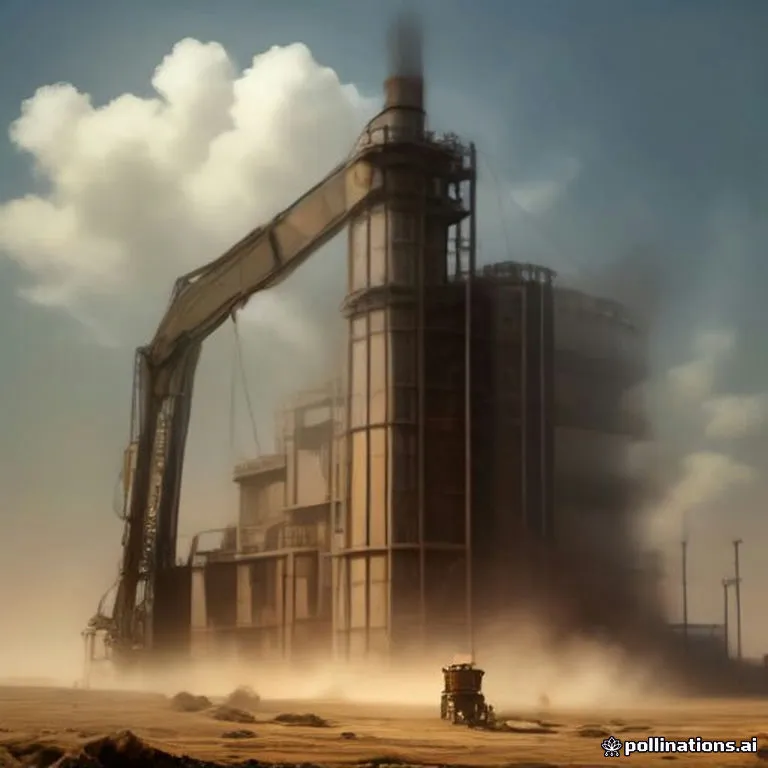
A cable-tool mechanical drilling rig designed to penetrate hard rock strata and reach deep subterranean aquifers or mineral deposits. By repeatedly raising and dropping a heavy, chisel-shaped iron or steel bit suspended from a cable, the rig pulverizes rock at the bottom of the borehole. A flap-valve bailer tube is periodically lowered to remove crushed rock slurry.
Use / Function
- Primary Use: Drilling deep water wells to secure safe potable water and irrigation without digging hazardous open shafts.
- Secondary Uses: Boring for brine, geothermal heat, natural gas, and crude oil deposits.
- Scale: Small tripod-mounted rigs for rural homesteads to heavy wooden derrick towers for industrial well drilling.
Operating principle
- Chisel Impact: A heavy drill bit attached to a hemp rope or steel cable is raised several feet using a walking beam or pulley system and allowed to fall under gravity, shattering rock by direct kinetic impact.
- Slurry Formation: Water poured into the hole mixes with pulverized rock dust to form a thick muddy slurry.
- Bailing: The drill bit is hoisted out, and a hollow iron cylinder with a bottom check valve (bailer) is lowered to scoop up and clear the slurry.
- Casing Drive: Iron or steel casing pipes are driven down as drilling progresses to prevent borehole collapse and seal off contaminated surface water.
How to create it
- Derrick Frame: Construct a tripod or four-legged wooden A-frame derrick over the target drilling site, fitted with a top pulley axle.
- Walking Beam & Power: Erect a balanced wooden walking beam driven by a hand crank, horse sweep, or engine pitman arm to alternate raising and dropping the cable.
- Percussion Bit: Forge a heavy, wedge-shaped chisel bit from wrought iron with a hardened tool steel cutting edge, attached securely to the cable.
- Bailer Bucket: Fabricate a long iron tube featuring a bottom leather or metal flap valve that opens when dropped into slurry and seals shut when hoisted.
Materials needed
- Derrick & Beam: Strong Wood timbers and structural braces.
- Cable: Heavy Rope (hemp/manila) or flexible Wire rope.
- Drill Bit & Bailer: Wrought Iron body with a Steel cutting tip.
- Tools: Forge, Anvil, and Wrench sets.
Variants and improvements
- Manual Spring-Pole Rig: Simple primitive version using a bent wooden pole to spring the bit back up after manual foot-treadle drops.
- Walking-Beam Cable Tool Rig: Powered by steam or internal combustion engines for continuous 24-hour deep well drilling.
- Rotary Drilling Rig: Modern successor using rotating tri-cone bits and continuous fluid circulation for much faster penetration.
Limits and risks
- Borehole Collapse: Unconsolidated sand or gravel layers can cave in without immediate casing installation.
- Stuck Bit: The bit can become jammed in rock fissures or under falling rubble, requiring specialized recovery spears.
- Gas Blowouts: Penetrating high-pressure gas or oil pockets can trigger violent blowouts or fires.