Generated with AI3 min read
Pump
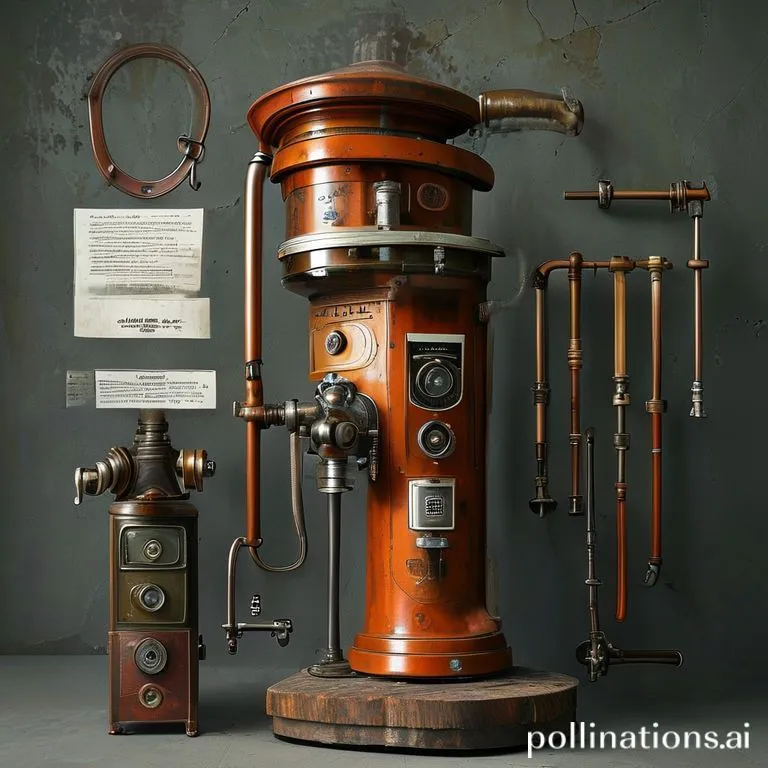
Made of
Brief description
A pump is a mechanical device designed to move fluids (liquids or gases) from one place to another, typically by raising them from a lower elevation to a higher one.
Use / Function
- Water Supply: Drawing water from wells for drinking or irrigation.
- Drainage: Removing water from flooded areas (mines, polders, ships).
- Firefighting: Projecting water to extinguish fires.
- Industrial: Moving liquids in processing (e.g., brine, oils).
- Scale: Domestic / Industrial.
Operating principle
Pumps typically use energy to create a pressure difference (suction or positive pressure).
- Suction: Creating a partial vacuum so atmospheric pressure pushes the fluid into the chamber.
- Displacement: Physically pushing the fluid out of the chamber.
- Check Valves: Flaps that allow flow in only one direction, preventing backflow.
How to create it
Simple Piston Pump:
- Cylinder: A hollow tube (wood or metal).
- Piston: A plug that fits tightly inside the cylinder (often wrapped in leather for a seal).
- Valves: Two one-way valves (leather flaps). One at the inlet (bottom) and one on the piston itself.
- Mechanism: A handle or lever to move the piston up and down.
- Upstroke: Inlet valve opens, water is sucked in. Piston valve closes.
- Downstroke: Inlet valve closes, piston valve opens, allowing water to pass above the piston.
- Next Upstroke: Lifts the water above the piston to the spout while sucking in new water below.
Materials needed
- Body: Hollowed log or cast metal pipe.
- Piston: Wood or metal plug.
- Seals: Leather or greasy rags to ensure an airtight fit.
- Valves: Leather flaps or simple ball valves (stone/metal ball).
- Lubricant: Animal fat to reduce friction and improve the seal.
Variants and improvements
- Archimedes’ Screw: A screw inside a pipe; excellent for lifting water short distances (e.g., irrigation) without complex valves. Can be driven by a windmill.
- Chain Pump: A continuous chain with buckets or discs pulling water up a tube.
- Force Pump: Uses a solid piston to push water out under pressure (good for firefighting).
- Gear Pump: Uses two rotating gears to displace viscous fluids like oils. See Gear Pump.
- Rope Pump: Simple low-tech version using a rope and washers.
Limits and risks
- Suction Limit: A suction pump can only lift water about 10 meters (33 feet) due to atmospheric pressure limits.
- Leakage: Poor seals reduce efficiency drastically.
- Priming: Often needs water poured in first to wet the seals and start the suction.
- Freezing: Water remaining in the pump can freeze and crack the body.