SyntheticGenerated with AI2 min read
Steel
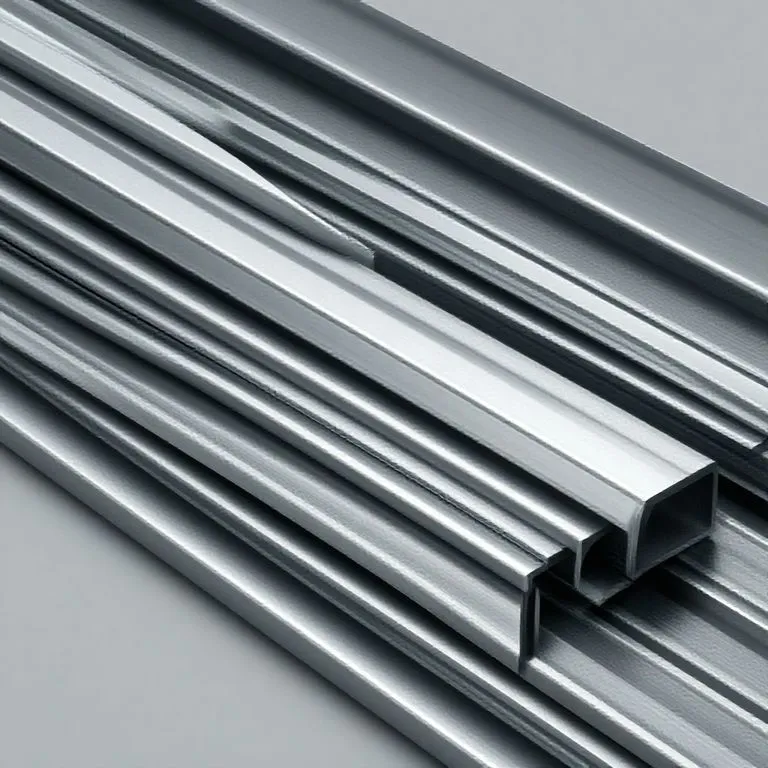
Steel is an alloy of iron and carbon, and sometimes other elements. Because of its high tensile strength and low cost, it is a major component used in buildings, infrastructure, tools, ships, trains, cars, machines, electrical appliances, and weapons.
Description of what it is like
Steel is a hard, strong, greyish metal. It can be polished to a high shine. Unlike pure iron, it is much harder and holds a sharp edge better, making it ideal for cutting tools.
Origin and where to find it
- Not found in nature: Steel is a man-made alloy.
- Requires processing: It is created by refining iron and adding a specific amount of carbon (usually between 0.002% and 2.1%).
Minimum processing required
- Smelting: Iron ore is smelted into Pig Iron.
- Refining: Impurities are removed, and carbon content is adjusted (Bessemer process or modern basic oxygen steelmaking).
- Heat Treatment: Quenching and tempering to adjust hardness and toughness.
Tools needed to work on it
- Forge/Furnace: High temperatures are needed to work steel.
- Anvil and Hammer: For shaping.
- Grindstone: For sharpening and polishing.
Common forms of use
- Forged: Shaped while hot.
- Cast: Poured into molds (less common for tools).
- Machined: Cut and shaped with other harder tools.
- High Speed Steel (HSS): A specific alloy with tungsten and chromium that retains hardness at high temperatures, used for Drill Bits and Lathe Tools.
Possible substitutes
- Iron: Softer, loses edge quickly.
- Bronze: Easier to cast, resistant to corrosion, but softer than good steel.
- Titanium: Modern, lighter, stronger, but much harder to process.
Limitations and common failures
- Rust: Unless stainless (alloyed with chromium), steel rusts easily in damp environments.
- Brittleness: High carbon steel can be brittle if not tempered correctly.
Risks and safety
- High Heat: Working with molten or hot steel poses burn risks.
- Sharp Edges: Finished steel tools are very sharp.
Related materials
- Iron: Base metal for steelmaking.
- Reinforced Concrete: Steel is used as reinforcement (Rebar) in concrete.
- Coal: Carbon source for smelting and refining.
- Bronze: Alternative tool alloy with different properties.
Related Knowledge
Properties
- Hardness
- Tensile strength
- Durability
- Malleability
Used for
- Tools
- Weapons
- Construction
- Surgical instruments
- Machinery
Manufacturing / Process
Smelting iron with carbon to remove impurities and adjust carbon content.