SyntheticGenerated with AI2 min read
Wire
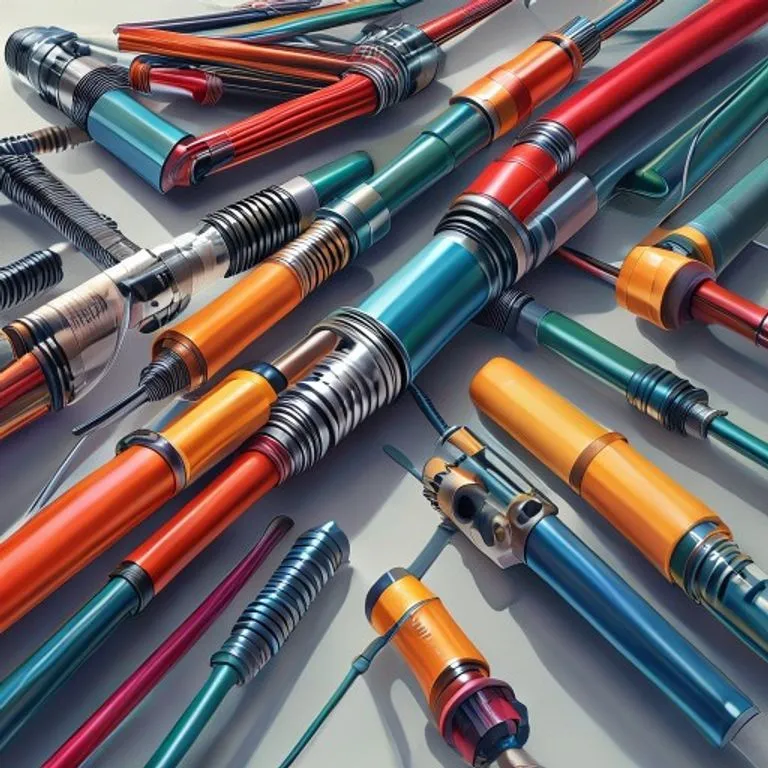
A single flexible strand or rod of metal. Wire is used to bear mechanical loads or electricity and telecommunications signals.
Description of what it is like
A long, thin, flexible metal cylinder. It can be bent easily without breaking (ductile) and has high tensile strength.
Origin and where to find it
- Artificial: Manufactured from metals.
- History: Early wire was made by beating metal into sheets and cutting strips. Modern wire drawing dates back to the medieval period.
Minimum processing required
- Casting: Metal is cast into an ingot or billet.
- Rolling: Rolled into a rod.
- Drawing: Pulled through a series of dies (holes) made of hard material (tungsten carbide or diamond). Each die is slightly smaller than the wire, reducing its diameter and increasing its length.
- Annealing: Heating the wire to soften it if it becomes too brittle during drawing.
Tools needed to work on it
- Pliers: For bending and cutting.
- Draw Plate: A plate with holes for manual drawing (primitive).
- Hammer/Anvil: For flattening or shaping ends.
Common forms of use
- Solid: Single strand (stiff).
- Stranded: Multiple thin wires twisted together (more flexible, used in cables).
- Coiled: Springs.
- Mesh: Woven wire (fences, screens).
Possible substitutes
- Rope: For mechanical tying/binding (weaker, rot risk).
- Plant Fibers: Primitive binding.
- Leather Strips: For binding.
Limitations and common failures
- Fatigue: Repeated bending will cause it to snap (work hardening).
- Corrosion: Rusts if not galvanized or coated.
- Overheating: If used for electricity, can melt if current is too high.
Risks and safety
- Cuts: Ends are sharp.
- Whiplash: Under tension, a snapping wire can cause severe injury.
- Shock: Conducts electricity.
Related materials
- Steel: Common material for structural wire.
- Reinforced Concrete: Wire is used to tie Rebar.
- Copper: Common for electrical wire.
- Rope: Non-metallic alternative.
Properties
- Flexible
- Ductile
- Conductive
- Tensile Strength
Used for
- Electrical cables
- Fencing
- Binding
- Rope
- Springs
- **[Electromagnet](/en/inventions/electromagnet)**
Manufacturing / Process
Drawing metal through a series of dies with decreasing diameters.