Generated with AI2 min read
Fermentation
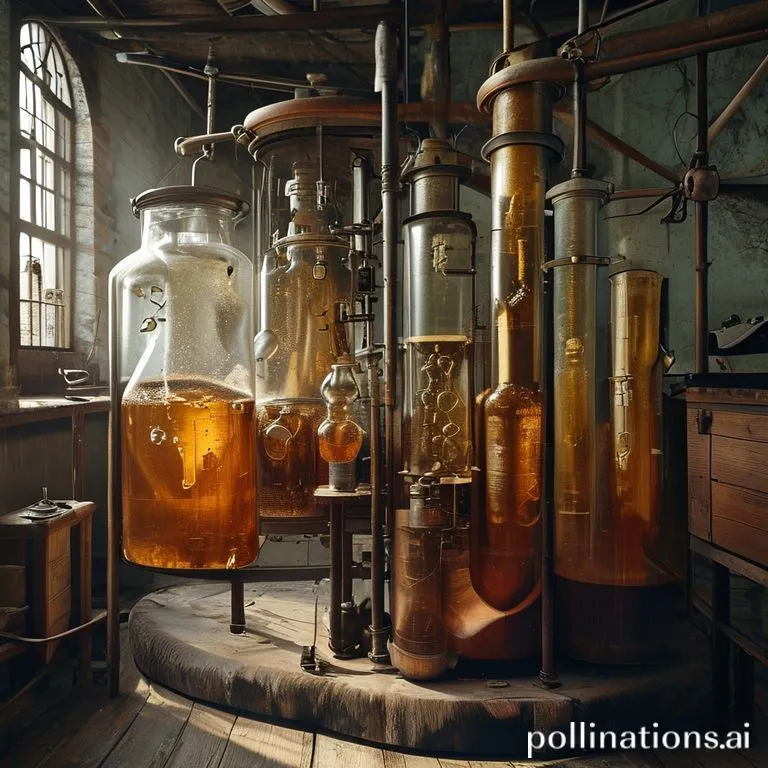
Brief description
Fermentation is a controlled biological process that uses microbes to transform sugars into acids, alcohols, and gases.
It enables preservation, flavor development, and the production of alcohol, Bread, and cultured foods.
Use / Function
- Food preservation: Acid and alcohol inhibit spoilage.
- Alcohol production: Beverages and Biofuel.
- Leavening: CO2 inflates dough.
- Nutrient upgrade: Improves digestibility and adds vitamins.
- Scale: Household to community production.
Operating principle
- Microbes consume sugars in low-oxygen conditions.
- Metabolism produces byproducts: ethanol + CO2 (yeast) or lactic acid (bacteria).
- Salt and temperature control favor desired microbes.
How to create it
Minimum functional version (Alcoholic)
- Mix Water with a sugar source like Sugar or fruit.
- Add Yeast or a wild starter.
- Ferment in a clean Container with a loose lid or airlock.
- Keep at 18–25°C until bubbling stops.
Minimum functional version (Lactic)
- Chop vegetables and mix with Salt (2–3% by weight).
- Pack into a clean Container and keep submerged in brine.
- Ferment at room temperature for days to weeks.
Materials needed
- Essential materials:
- Tools:
- Vessels: Clay pots, Glass jars, or Wood barrels
- Airlock or cloth cover
- Hydrometer: To measure sugar and alcohol levels.
- Possible substitutes:
- Wild starters from fruit skins
- Tight-weave cloth instead of an airlock
Variants and improvements
- Back-slopping: Reuse a successful batch to start a new one.
- Vinegar production: Expose alcoholic ferment to oxygen.
- Cold fermentation: Slower, more controlled flavors.
- Distillation: Concentrate alcohol after fermentation.
- Precision monitoring: Using a Hydrometer to determine when fermentation is complete.
Limits and risks
- Contamination: Poor hygiene, wrong salt, or temperature can spoil batches.
- Pressure buildup: Sealed containers can burst from CO2.
- Botulism risk: Low-acid, low-salt anaerobic conditions are dangerous.
- Off-flavors: Excess heat or oxygen can cause spoilage or vinegar.