NaturalGenerated with AI2 min read
Sugar
C12H22O11
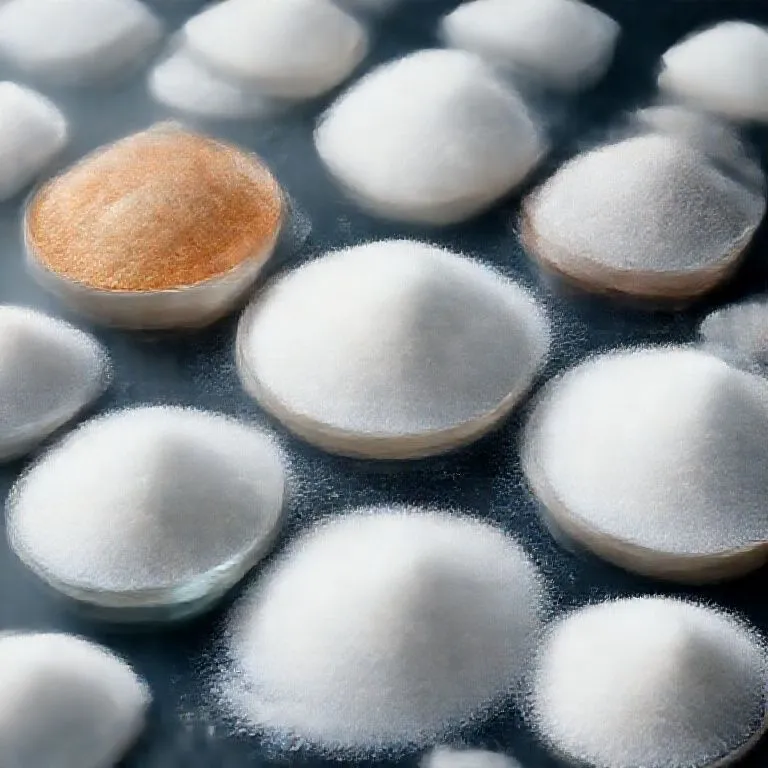
Sugar is the generic name for sweet-tasting, soluble carbohydrates, many of which are used in food. Simple sugars, also called monosaccharides, include glucose, fructose, and galactose.
Description of what it is like
In its most common form (table sugar or sucrose), it is a white, odorless, crystalline solid. It dissolves easily in water and melts when heated, eventually caramelizing.
Origin and where to find it
- Environments: Found in the tissues of most plants. High concentrations in sugarcane and sugar beet.
- Signs: Sweet taste in fruits, sap, or nectar.
- It is a natural material.
Minimum processing required
- Extraction: Crushing plant material (cane/beet) to extract juice.
- Evaporation: Boiling the juice to remove water and concentrate the sugar.
- Crystallization: Allowing the sugar to form crystals as it cools/dries.
Tools needed to work on it
- Press/Crusher: To extract juice from the plant.
- Pot/Cauldron: For boiling and evaporation.
- Fire: For evaporation.
- Containers: For crystallization.
Common forms of use
- Preservative: In high concentrations (jams, jellies), it inhibits bacterial growth.
- Fermentation: Essential food source for Yeast to produce Alcohol.
- Culinary: Sweetening foods and beverages.
- Confectionery: Cotton Candy and other sugar-based sweets.
Possible substitutes
- Honey: A natural, liquid substitute.
- Fruit Juice: Concentrated fruit juices can provide similar sugars.
- Maple Syrup: Sap from maple trees.
Limitations and common failures
- Hygroscopic: Absorbs moisture from the air, causing clumping.
- Attracts Pests: Ants and other insects are drawn to it.
- Caramelization: Burns if heated too high without water.
Risks and safety
- Health: Excessive consumption leads to health issues.
- Flammability: Fine sugar dust can be explosive in confined spaces.
- Hot Sugar: Molten sugar causes severe burns (sugar napalm).
Related materials
- Water: Often used to dissolve sugar.
- Yeast: Consumes sugar to produce alcohol and CO2.
- Alcohol: Product of sugar fermentation.
- Cotton Candy: Spun sugar confection.
Properties
- Sweet taste
- Soluble in water
- Crystalline solid
- High energy content
Used for
- Food preservation
- Sweetener
- Fermentation substrate
- Energy source
- Confectionery
Manufacturing / Process
Extracted from sugarcane, sugar beet, or fruits.