NaturalGenerated with AI2 min read
Yeast
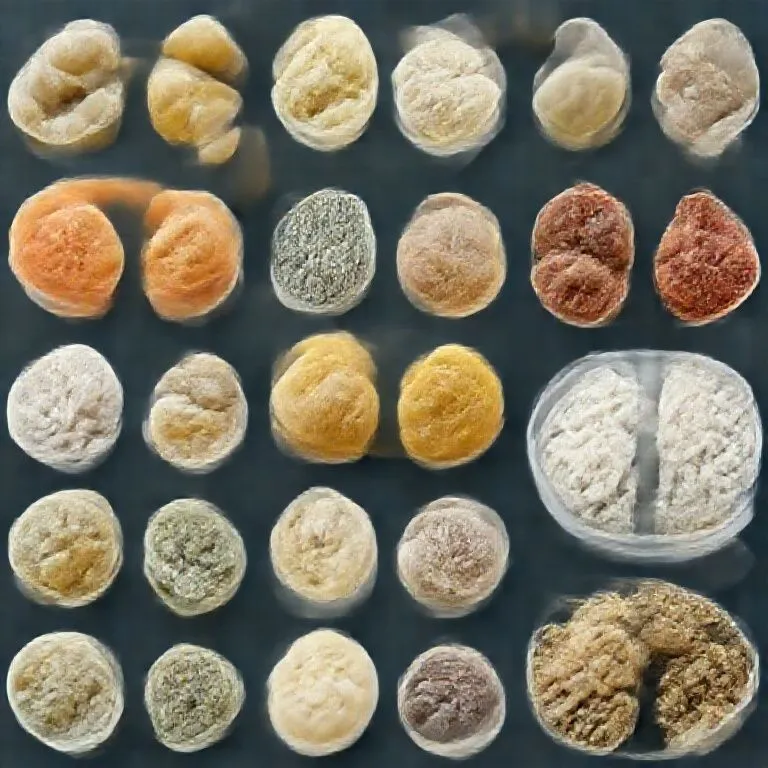
Yeast is a single-celled microorganism classified as a member of the fungus kingdom. The most common species, Saccharomyces cerevisiae, is essential for baking and brewing.
Description of what it is like
Individually microscopic, yeast colonies appear as a creamy, beige, or off-white paste or powder. It has a distinctive, slightly sour or bready smell.
Origin and where to find it
- Environments: Naturally occurs on the skins of sugar-rich fruits (grapes, apples), berries, and in the soil.
- Signs: Whitish bloom on fruits; spontaneous fermentation of sugary liquids.
- It is a natural material.
Minimum processing required
- Collection: Harvesting from fruit skins or established cultures (sourdough starter).
- Cultivation: Feeding with flour and water or sugar water to increase biomass.
- Drying: For long-term storage (dormancy).
Tools needed to work on it
- Containers: Jars or bowls for culturing.
- Cloth: To cover cultures while allowing airflow but keeping bugs out.
- Warmth: Requires moderate temperatures (20-30°C) to thrive.
Common forms of use
- Leavening Agent: In bread making, it produces CO2 which makes the dough rise.
- Fermentation Starter: In brewing and winemaking, it converts sugars into alcohol.
- Nutritional Yeast: Deactivated yeast used as a food supplement (rich in B vitamins).
Possible substitutes
- Chemical Leaveners: Baking soda and acid (for baking).
- Wild Fermentation: Relying on airborne yeast (less predictable).
Limitations and common failures
- Temperature Sensitivity: Dies at high temperatures (>50-60°C); dormant at low temperatures.
- Contamination: Vulnerable to mold or bacteria if not maintained properly.
- Food Source: Requires sugar/starch to survive.
Risks and safety
- Spoilage: Can spoil food if unwanted fermentation occurs.
- Allergies: Some people are sensitive to yeast.
- CO2 Production: Produces gas which can build pressure in sealed containers.
Related materials
Properties
- Microscopic
- Living organism
- Reproduces by budding
- Ferments sugars
Used for
- Baking
- Brewing
- Nutritional supplement
- Ethanol production
Manufacturing / Process
Cultured from wild strains found on fruit skins or in the air.