SyntheticGenerated with AI2 min read
Biofuel
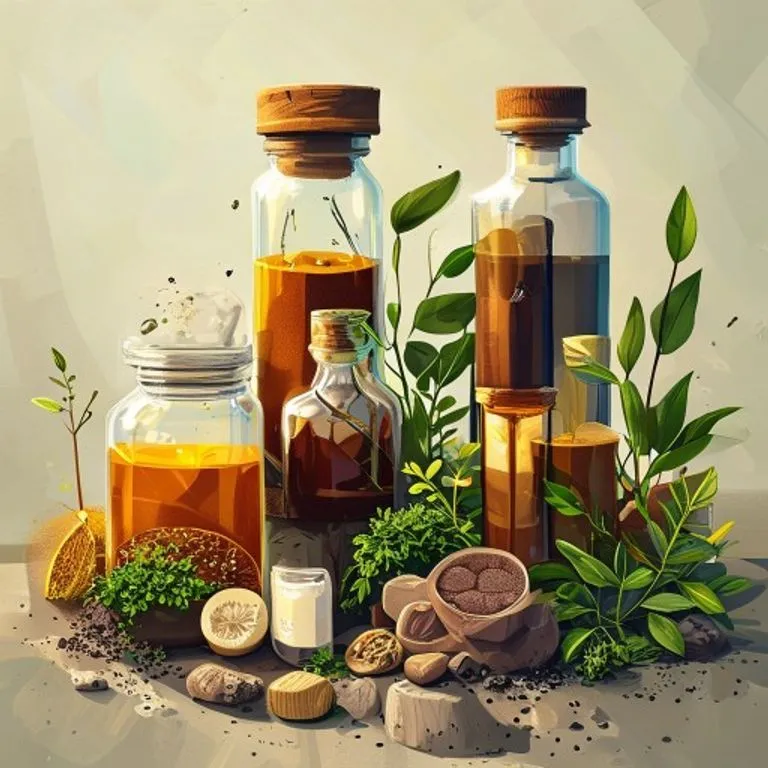
Biofuel is energy-rich fuel derived from recent biomass rather than fossil sources. It includes liquids like ethanol and biodiesel, as well as solid and gaseous fuels made from plant or animal material.
Description of what it is like
Biofuels vary by type. Ethanol is a clear, volatile liquid that mixes with water. Biodiesel is an oily liquid with a mild smell and higher viscosity than gasoline. Solid biofuels are dry, fibrous, or pelletized plant matter.
Origin and where to find it
- Environments: Farms, forests, and food processing areas with abundant plant material or animal fats.
- Signs: Fermented mash, pressed seed cakes, oily residues, or stored dry biomass.
- It is a processed material.
Minimum processing required
- Ethanol: Ferment sugars with Yeast, then separate with Distillation.
- Biodiesel: Extract Vegetable Oil and convert with an alcohol and catalyst.
- Solid biofuel: Dry and compress biomass into logs or pellets.
Tools needed to work on it
- Fermentation vessels and Containers.
- Distillation setup for ethanol.
- Mechanical Press for oil extraction.
- Controlled Fire for drying and processing.
Common forms of use
- Ethanol fuel: For lamps, stoves, and blended engine fuel.
- Biodiesel: For diesel engines or burners.
- Pellets and briquettes: For heating and cooking.
- Biogas: For cooking or electricity generation when captured.
Possible substitutes
- Alcohol: Direct fuel for lamps or stoves.
- Vegetable Oil: Can be burned in adapted lamps or engines.
- Animal Fat: Can be burned or turned into tallow-based fuels.
- Charcoal: Solid fuel when liquid biofuels are unavailable.
- Coal: Fossil alternative when available.
Limitations and common failures
- Water contamination: Ethanol absorbs water and loses combustion efficiency.
- Cold gelling: Biodiesel can thicken and clog filters in cold weather.
- Energy density: Lower than gasoline or diesel, reducing range.
- Feedstock limits: Competes with food crops or land if not managed.
Risks and safety
- Fire: Highly flammable liquids and vapors.
- Toxic byproducts: Poor distillation can concentrate methanol.
- Spills: Can contaminate soil and water if unmanaged.
Related materials
- Alcohol: Ethanol-based biofuel.
- Vegetable Oil: Primary biodiesel feedstock.
- Animal Fat: Alternative biodiesel feedstock.
- Sugar and Yeast: Fermentation inputs.
- Water: Fermentation medium and cleaning.
- Wood: Common solid biofuel source.
Properties
- Flammable
- Renewable
- Variable energy density
- Hygroscopic (ethanol)
- Biodegradable
Used for
- Fuel for stoves and lamps
- Engine fuel and blending
- Heating
- Power generation
Manufacturing / Process
Produced from biomass via fermentation and distillation (ethanol) or oil extraction and transesterification (biodiesel). Solid biofuels are dried and densified plant matter.