Tin
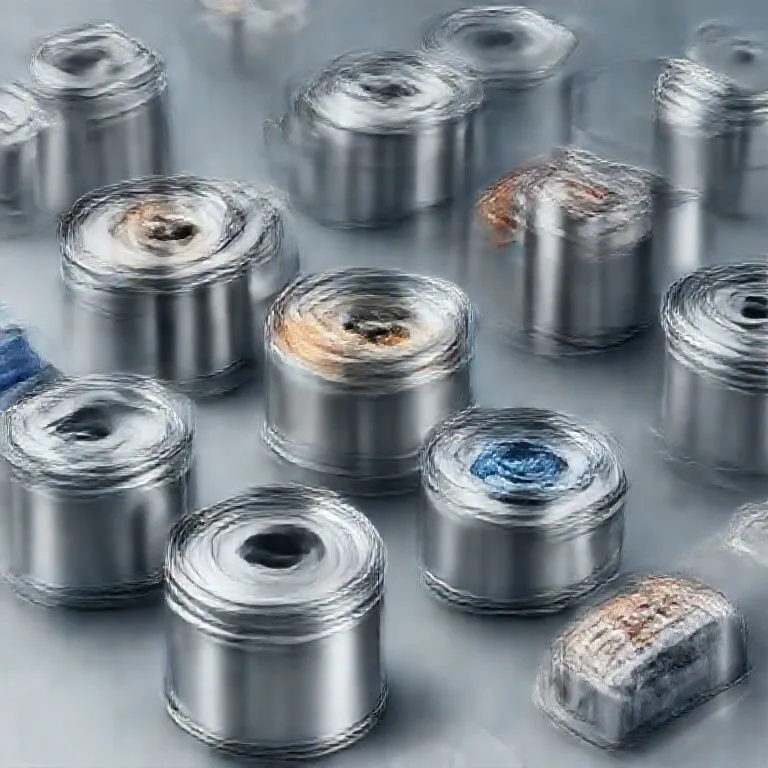
Made of
Tin is a silvery-white, soft, and malleable metal. It is most famous for its use in making bronze (alloyed with copper) and for its resistance to corrosion.
Description of what it is like
Tin is a bright, lustrous metal. It is soft enough to be cut with a knife and produces a characteristic “tin cry” (a crackling sound) when bent, caused by the friction of its crystal structure.
Origin and where to find it
- Environments: Found in alluvial deposits (placer tin) or in primary lodes.
- Signs: Cassiterite is a heavy, dark-colored mineral.
- It is a natural material that requires smelting.
Minimum processing required
- Washing: Concentrating the heavy cassiterite from river sands.
- Smelting: Heating the concentrate with charcoal in a furnace.
- Refining: Re-melting to separate pure tin from dross.
Tools needed to work on it
- Furnaces and crucibles.
- Hammers and anvils.
- Molds for alloying.
Common forms of use
-
Bronze: Alloyed with copper (typically 10% tin).
-
Pewter: Alloyed with lead or other metals for decorative items.
-
Tinplate: Coating iron or steel to prevent rust.
-
Mirrors: Historically, a tin-mercury amalgam was used to create Venetian mirrors. In modern Silver Mirrors, tin(II) chloride is used as a sensitizer.
-
Possible Substitutes:
-
Zinc: For some coating applications.
-
Aluminum: For modern containers and foil.
-
Lead: For some low-melting-point alloys, though toxic.
Limitations and common failures
- Tin Pest: At very low temperatures, tin can transform into a brittle gray form and crumble.
- Low mechanical strength: Cannot be used for heavy loads.
Risks and safety
- Low toxicity: Pure tin is relatively safe for food contact (hence tin cans).
- Fumes: Avoid inhaling fumes during smelting or soldering.
Related materials
- Copper: Combined with tin to create bronze.
- Lead: Often alloyed with tin for solder.
- Antimony: Used in alloys like pewter and type metal.
- Mirror: Important historical application.
- Silver Mirror: Modern chemical application (sensitizer).
Properties
- Malleable
- Ductile
- Corrosion-resistant
- Low melting point
Used for
- Soldering
- Tin-plating
- Bronze production
- Type metal alloy
Manufacturing / Process
Extracted from cassiterite (tin oxide) by smelting with charcoal.