NaturalGenerated with AI3 min read
Silver
Made of
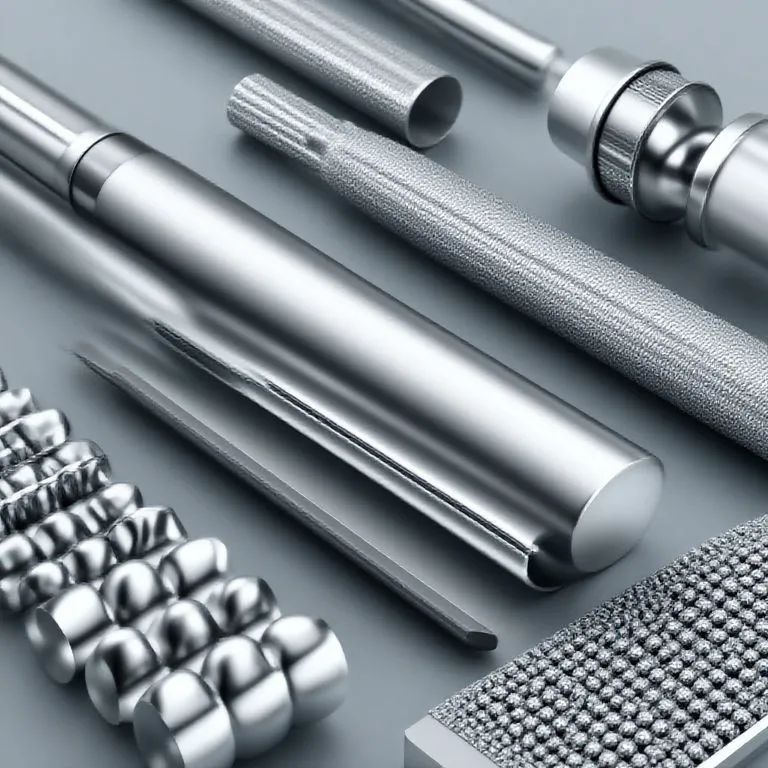
Silver is a precious metal valued for its brightness, conductivity, and resistance to corrosion. It is soft in pure form but can be alloyed for durability.
Description of what it is like
Silver is a soft, white, lustrous transition metal. It exhibits the highest electrical conductivity, thermal conductivity, and reflectivity of any metal. Unlike gold, it tarnishes (oxidizes) when exposed to sulfur in the air, turning black.
Origin and where to find it
- Environments: Rarely found native. Usually found in ores like Argentite (silver sulfide) or associated with Lead (Galena) and Copper ores.
- Signs: Heavy, dark grey ores. Native silver is wiry or mossy.
- Processing: Usually requires chemical or thermal separation from other metals.
Minimum processing required
- Smelting: Heating the ore to extract the crude metal.
- Cupellation: A critical process to separate silver from lead. Air is blown over the molten alloy in a bone-ash cupel; the lead oxidizes and is absorbed by the cupel, leaving a button of pure silver.
Tools needed to work on it
- Furnace: Capable of reaching ~961°C.
- Crucibles: For melting.
- Cupels: Porous pots made of bone ash for refining.
- Hammers/Anvils: For forging.
Common forms of use
- Coins: Historically the standard for daily trade.
- Silverware: Utensils and vessels (benefiting from antibacterial properties).
- Mirrors: Polished silver reflects 95% of light. It is essential for Silver Mirror manufacturing, where it is chemically deposited onto glass.
- Solders: Silver solder is strong and used for joining metals.
- Electronics: Due to its superior electrical conductivity.
Possible substitutes
- Pewter: An alloy of tin, looks like silver but is softer and melts at low temps.
- Aluminium: Lightweight, conductive, silvery, but harder to refine (requires electricity).
- Stainless Steel: Modern substitute for cutlery, does not tarnish.
- Copper: For conductivity (worse than silver but cheaper).
Limitations and common failures
- Tarnish: Requires polishing to maintain luster. Sulfur (eggs, volcanic air) turns it black instantly.
- Softness: Pure silver is soft; Sterling Silver (92.5% Ag, 7.5% Cu) is standard for durability.
Risks and safety
- Argyria: Ingesting colloidal silver over long periods can turn skin permanently blue-grey.
- Hot Metal: Standard foundry risks.
Related materials
- Lead: The most common “parent” metal for silver mining.
- Gold: Often found together.
- Electrum: Natural Gold-Silver alloy.
- Mirror: High-reflectivity application.
- Silver Mirror: Modern chemical application.
Properties
- Highest conductivity
- Malleable
- Ductile
- Reflective
- Antibacterial
Used for
- Currency
- Jewelry
- Tableware
- Mirrors
- Electronics
- **[Photography](/en/inventions/photography)**
Manufacturing / Process
Mined often from argentite or galena (lead ore); extracted via smelting and cupellation.