NaturalGenerated with AI3 min read
Gold
Made of
Description of what it is like
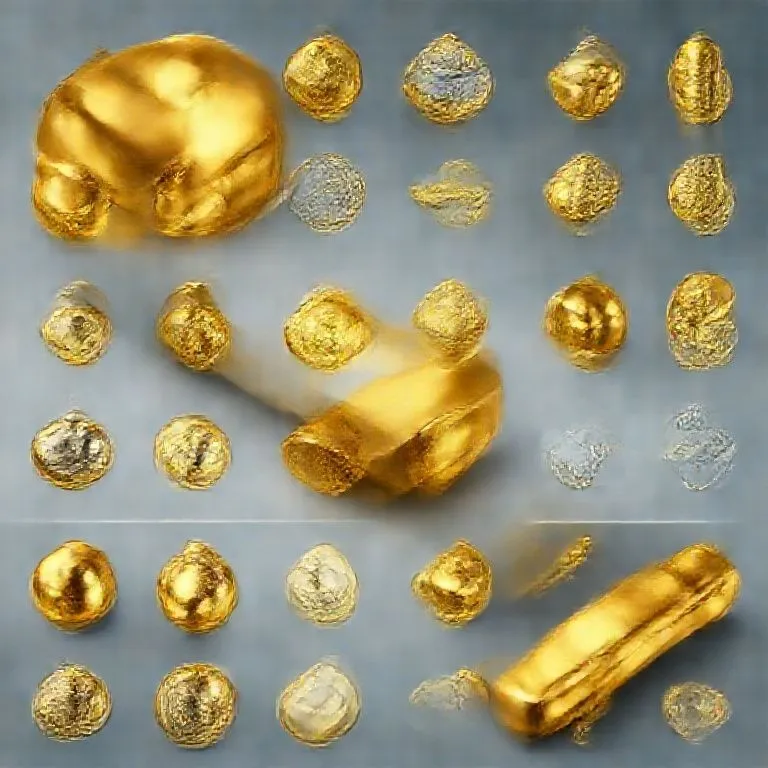
Gold is a dense, soft, shiny, yellow metal. It is one of the least reactive chemical elements and is solid under standard conditions. It does not rust or tarnish, maintaining its luster indefinitely. It is so malleable that a single gram can be beaten into a sheet of 1 square meter.
Origin and where to find it
- Environments:
- Placer deposits: Particles or nuggets in riverbeds and alluvial deposits (gold panning).
- Lode deposits: Veins in rock, often associated with quartz.
- Signs: Distinctive yellow color that doesn’t tarnish. High density (it sinks fast in water).
- Processing: It is found as a native metal, meaning it doesn’t always require chemical extraction, just physical separation and melting.
Minimum processing required
- Gravity Separation (Panning): Washing river sediment to separate heavy gold dust.
- Smelting: Melting nuggets or dust into a coherent ingot (requires ~1064°C).
- Refining: Removing impurities (like silver or copper) if high purity is needed (cupellation or chemical parting).
Tools needed to work on it
- Pan: For washing river gravel.
- Crucible: Ceramic container for melting.
- Furnace: To reach melting temperature.
- Hammers/Anvils: For shaping (cold working is easy due to softness).
- Molds: For casting ingots or jewelry.
Common forms of use
- Coinage: Standardized weights for trade.
- Leaf: Extremely thin sheets for gilding other materials (wood, stone).
- Wire: For jewelry or electronics.
- Alloyed: Mixed with copper or silver to make it harder and more durable for use.
Possible substitutes
- Brass: Looks like gold but tarnishes and is much lighter.
- Pyrite (“Fool’s Gold”): Brittle and tarnishes; not a metal substitute.
- Silver: Precious, but tarnishes.
- Platinum: Similar noble properties, but higher melting point and rarer.
Limitations and common failures
- Softness: Pure gold is too soft for tools or weapons. It bends and scratches easily.
- Weight: It is very heavy, which can be a disadvantage for transport or structural use.
Risks and safety
- Theft: Its high value makes it a target for violence.
- Mining Risks: Traditional mining often involves mercury (amalgamation) which is highly toxic. Avoid mercury if possible; use gravity separation or sheepskins (Golden Fleece method).
- Environmental: Large-scale mining destroys landscapes.
Related materials
- Silver: Often found naturally alloyed with gold (Electrum).
- Copper: Common alloying agent.
- Quartz: Common host rock.
Properties
- Extremely malleable
- Ductile
- Corrosion resistant
- Excellent conductor
- Dense
Used for
- Currency
- Jewelry
- Electronics
- Dentistry
- Radiation shielding
Manufacturing / Process
Found as native metal in riverbeds (placer) or veins; refined by smelting.