SyntheticGenerated with AI2 min read
Yarn
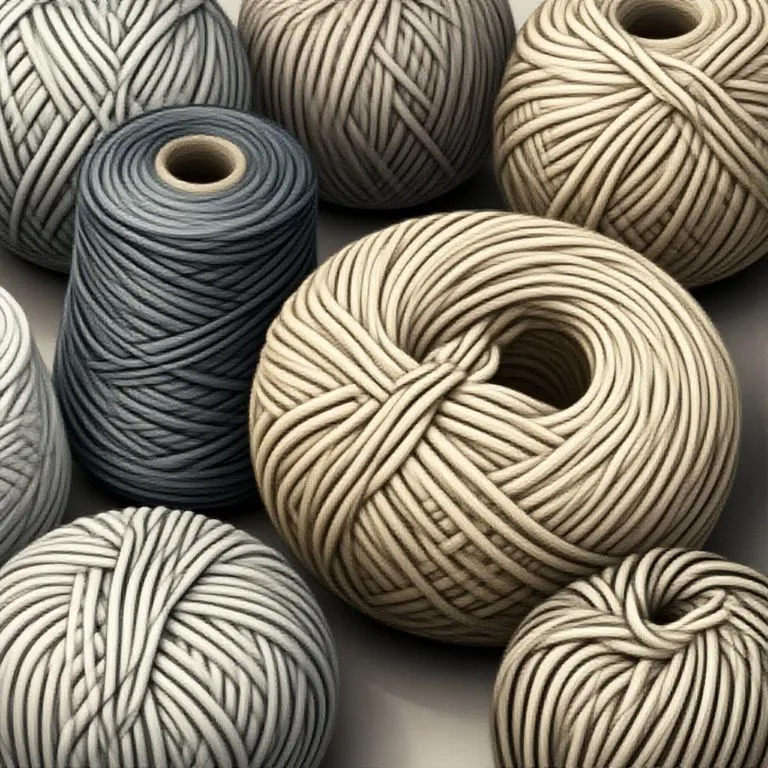
A long, continuous length of interlocked fibers, used for the production of textiles, sewing, crocheting, knitting, weaving, embroidery, and rope making.
Description of what it is like
Yarn appears as a thin, continuous strand of twisted fibers. It can be smooth or fuzzy, thick or thin, depending on the fiber and spinning method. It has tensile strength but is flexible.
Origin and where to find it
- Environment: Created in settlements or by travelers with spinning tools.
- Signs: Spindles, spinning wheels, or balls of thread.
- Transformation: Requires spinning raw fibers.
Minimum processing required
- Carding/Combing: Aligning raw fibers (wool, cotton, flax).
- Spinning: Twisting the aligned fibers to lock them together and create strength.
- Plying (Optional): Twisting multiple strands together for greater strength.
Tools needed to work on it
- Spindle (Drop Spindle): A simple stick with a weight (whorl) to twist fibers.
- Spinning Wheel: A machine to speed up the spinning process.
- Carders/Combs: To prepare the fibers.
Common forms of use
- Single ply: For fine weaving.
- Multi-ply: For knitting, stronger fabrics, or sewing thread.
- Waxed: For sewing leather or waterproofing (e.g., shoemaker’s thread).
Possible substitutes
- Sinew: Animal tendon (very strong, good for sewing).
- Gut: Intestines (for sutures or strings).
- Strips of fabric/leather: For rough weaving or tying.
- Unspun roving: Weak, breaks easily, but can be used for bulky wefts.
Relationship with Loom and Sewing Machine
Yarn is the fundamental raw material for both the Loom and the Sewing Machine.
- Loom: Interweaves yarn (warp and weft) to create Fabric.
- Sewing Machine: Uses yarn (thread) to stitch pieces of fabric together.
Limitations and common failures
- Untwisting: If not properly set, it can unravel.
- Breaking: Under too much tension or if spun too unevenly.
- Rot: Natural fiber yarn decays in moisture.
Risks and safety
- Tangling: Can become a mess if not wound properly.
- Cuts: Thin, strong thread can cut skin under tension.
Related materials
- Plant Fibers: Raw plant sources for spinning.
- Cotton: Common plant fiber for yarn.
- Cotton & Yarn: Cotton fiber spun into usable yarn.
- Linen: Linen yarn from flax for strong threads.
- Wool: Animal hair for warm, resilient yarn.
- Silk: Fine filament fiber for yarn.
- Fabric: The product of weaving yarn.
Properties
- Flexible
- Continuous
- Tensile Strength
- Twisted
Used for
- Weaving
- Knitting
- Sewing
- Rope making
Manufacturing / Process
Twisting fibers together to form a continuous strand.