NaturalGenerated with AI3 min read
Wool
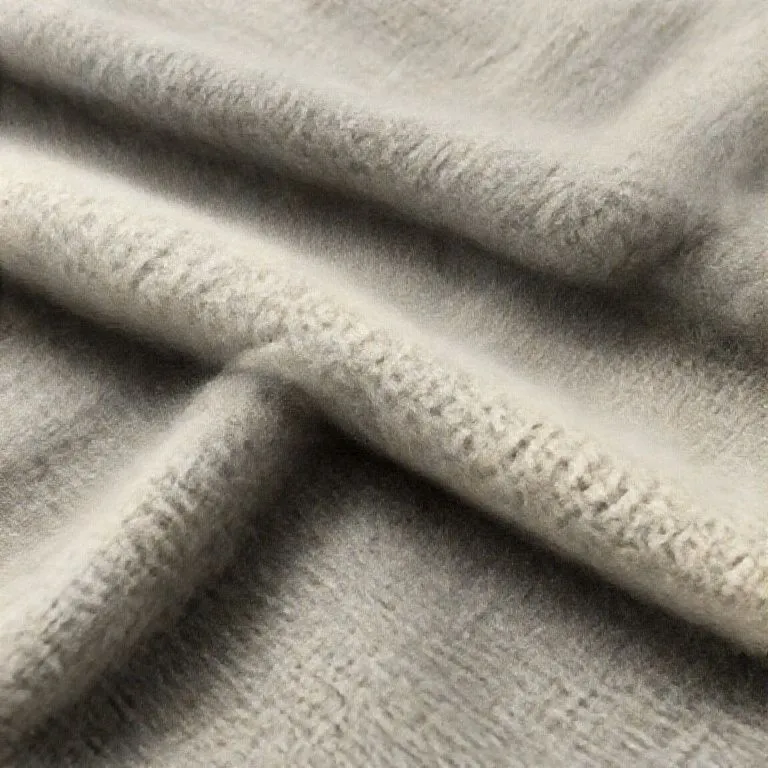
Wool is a natural textile fiber taken from sheep and other animals such as goats, alpacas, or llamas. It is composed mainly of keratin proteins with a small amount of natural oils (lanolin).
Description of what it is like
Wool is soft and springy, with a crimped texture that traps air. It insulates even when damp, resists flames better than most plant fibers, and can feel slightly oily from lanolin.
Origin and where to find it
- Environments: Pastoral lands, farms, or any region where sheep or fiber animals are raised.
- Signs: Thick fleeces that can be sheared annually; shed fibers on fences or bedding.
- It is a natural material that requires cleaning and fiber preparation.
Minimum processing required
- Shearing: Remove the fleece without cutting the skin.
- Sorting: Separate by fiber length and cleanliness.
- Scouring: Wash out dirt and lanolin with warm water and mild soap or ash.
- Carding or combing: Align fibers for spinning.
- Spinning: Twist fibers into Yarn.
- Optional: Felting by heat, moisture, and agitation.
Tools needed to work on it
- Shears or sharp blades for shearing.
- Baskets or cloth for collecting fleece.
- Warm water, soap, and tubs for scouring.
- Carders or combs for aligning fibers.
- Spindle or spinning wheel for yarn.
- Loom or needles for weaving and knitting.
Common forms of use
- Raw fleece: For stuffing or rough insulation.
- Yarn: For weaving and knitting clothing.
- Felt: Dense, water-resistant sheets for hats, boots, and pads.
- Woven cloth: Blankets, rugs, and outerwear.
Possible substitutes
- Plant fibers like flax, hemp, or cotton.
- Fur or hides for warmth and protection.
- Synthetic fibers (modern).
Limitations and common failures
- Moths and pests: Stored wool is vulnerable to larvae.
- Shrinkage: Hot water and agitation can felt wool unintentionally.
- Moisture: Poor drying leads to mildew and odor.
- Abrasion: Coarse use can pill or wear fibers.
Risks and safety
- Dust irritation: Carding and shaking fleece creates fine dust.
- Allergic reactions: Some people are sensitive to lanolin or coarse fibers.
- Fire: Wool resists flame but can still smolder if packed tightly.
Related materials
- Leather: Another animal-derived material for clothing and gear.
- Yarn: Spun wool is a primary yarn source.
- Cotton: Plant fiber that blends with wool for softness or breathability.
- Textile Dye: Used to color wool fibers.
- Plant fibers: Common alternative fiber source.
Properties
- Warm
- Insulating
- Flame resistant
- Elastic
Used for
- Clothing
- Blankets
- Carpets
- Insulation
Manufacturing / Process
Obtained by shearing sheep or other animals, then cleaned, carded, and spun.