NaturalGenerated with AI2 min read
Silk
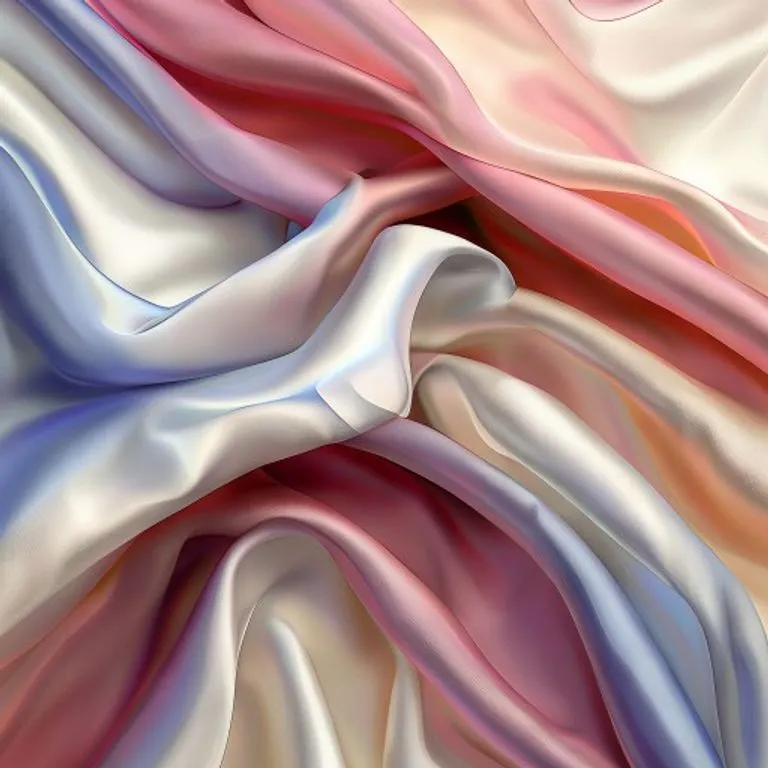
Silk is a protein fiber produced by silkworm larvae, especially the domesticated Bombyx mori. It is valued for its smooth feel, natural sheen, and high strength for its weight.
Description of what it is like
Silk is fine and smooth, with a natural luster that reflects light. It drapes well, feels cool to the touch, and can be very strong when dry. Depending on the weave, it can feel crisp, soft, or slightly textured.
Origin and where to find it
- Environments: Areas with sericulture, often near mulberry cultivation.
- Signs: Silkworm cocoons, reeling frames, and mulberry leaf feeding setups.
- Natural: It is an animal fiber that requires cultivation and processing.
Minimum processing required
- Cocoon harvesting: Collecting intact cocoons at the right stage.
- Stifling: Heating to stop the pupa and prevent cocoon damage.
- Degumming: Boiling to remove sericin and free the filament.
- Reeling/Spinning: Reeling continuous filaments or spinning broken fibers into yarn.
- Drying: Hanging or winding to set the thread.
Tools needed to work on it
- Pots or vats for boiling and degumming.
- Reeling frame or simple spindle to wind filaments.
- Spindle or spinning wheel for short fibers.
- Loom or needles for weaving and sewing.
Common forms of use
- Filament thread: Smooth, strong thread for weaving.
- Woven fabric: Garments, linings, and lightweight textiles.
- Silk floss: Embroidery and decorative stitching.
- Blends: Mixed with wool or cotton for durability and feel.
Possible substitutes
- Cotton: More breathable and cheaper, less lustrous.
- Wool: Warmer and more resilient, less smooth.
- Plant Fibers: Linen or hemp for durability.
- Synthetic fibers: Rayon or polyester for similar drape.
Limitations and common failures
- UV damage: Sunlight weakens and yellows fibers over time.
- Abrasion: Snags and wear in high-friction areas.
- Heat and moisture: Excess heat can dull luster and weaken fibers.
Risks and safety
- Insect damage: Protein fibers can be attacked by moths if stored poorly.
- Scalding risk: Boiling and degumming require careful handling.
Related materials
- Yarn: Spun silk becomes yarn.
- Fabric: Common end product.
- Textile Dye: Often used for coloring silk.
- Cotton: Common alternative fiber.
- Wool: Another animal fiber.
- Plant Fibers: Broad fiber category.
Properties
- Smooth
- Lustrous
- Strong in tension
- Lightweight
- Thermoregulating
Used for
- Clothing
- Luxury textiles
- Sewing thread
- Bedding
- Embroidery
Manufacturing / Process
Harvested from silkworm cocoons, then degummed and reeled or spun into thread.