NaturalGenerated with AI2 min read
Linen
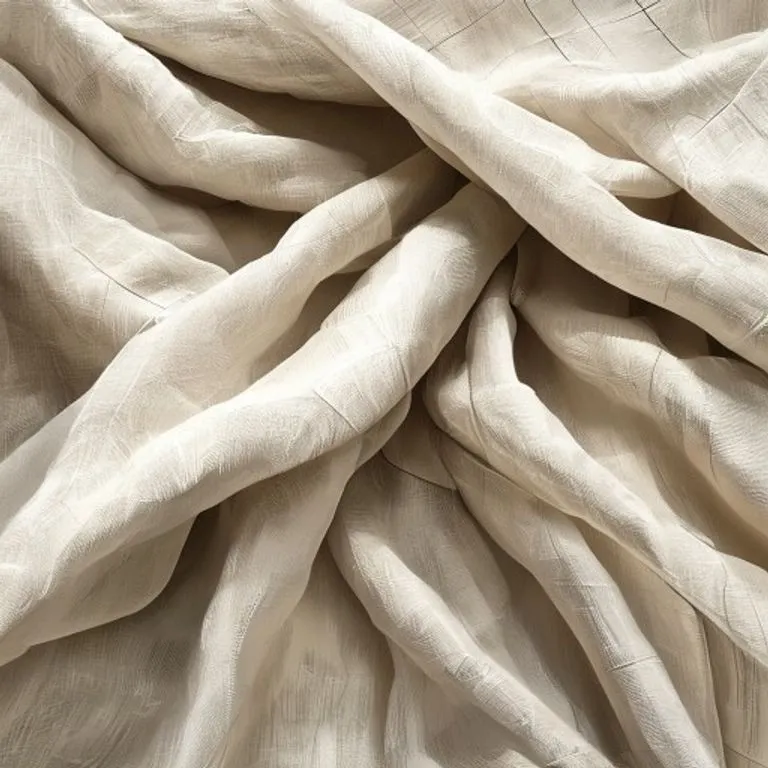
Linen is a textile fiber made from the flax plant, valued for its strength, cool feel, and durability.
Description of what it is like
Linen fibers are long, smooth, and slightly stiff with a natural luster. Linen cloth feels crisp and cool, softening with repeated use and washing.
Origin and where to find it
- Environments: Temperate fields where flax is cultivated.
- Signs: Slender stalks with blue flowers; retted bundles or pale fibers ready for spinning.
- Natural: A plant fiber that requires processing.
Minimum processing required
- Harvesting: Pulling flax to preserve long fibers.
- Retting: Dew or water retting to loosen fibers from the stem.
- Breaking/Scutching: Removing the woody core and debris.
- Hackling: Combing fibers straight for spinning.
Tools needed to work on it
- Knives or sickles: For harvest.
- Retting tanks or fields: For fiber separation.
- Breaks and scutching blades: For cleaning fibers.
- Hackles, spindle, or spinning wheel: For spinning.
Common forms of use
- Yarn: Spun linen yarn for weaving and sewing.
- Fabric: Linen cloth for garments and household textiles.
- Cordage: Twine, thread, and light rope.
Possible substitutes
- Cotton: Softer and more elastic but less crisp.
- Wool: Warmer and more elastic, less breathable.
- Other plant fibers: Flax alternatives like hemp or nettle fiber.
Limitations and common failures
- Wrinkling: Creases easily without finishing.
- Brittleness when over-dry: Fibers can weaken if stored too dry for long periods.
- Abrasion: Fine linen can wear through at high-friction points.
Risks and safety
- Dust: Hackling and spinning release fine fibers that can irritate lungs.
- Water hazards: Retting ponds can become contaminated and require safe handling.
Related materials
- Plant Fibers: Raw fiber category that includes flax.
- Cotton: Common blending fiber for softer cloth.
- Yarn: Linen becomes yarn before weaving.
- Fabric: The woven end product.
Properties
- Strong
- Breathable
- Absorbent
- Low Elasticity
Used for
- Clothing
- Bedding
- Sails
- Rope and twine
Manufacturing / Process
Made from flax stalks through retting, breaking, scutching, and hackling, then spun into yarn and woven.