NaturalGenerated with AI2 min read
Cotton & Yarn
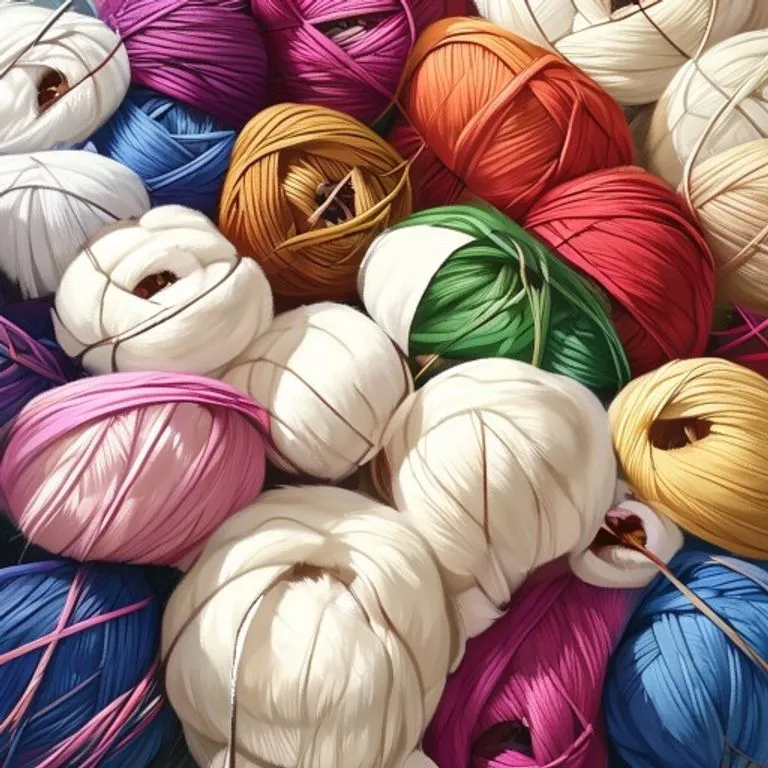
Cotton and yarn cover the material chain from raw cotton fiber to the spun strands used for textiles and stitching.
Description of what it is like
Raw cotton is soft, light, and fluffy. When spun, the fibers become a continuous strand with tensile strength while keeping flexibility and a soft hand.
Origin and where to find it
- Environments: Tropical and subtropical fields where cotton is cultivated.
- Signs: Cotton bolls bursting with white fiber, plus spinning tools and skeins of yarn in settlements.
- Natural: Cotton is natural; yarn is a transformed product.
Minimum processing required
- Harvesting: Pick cotton bolls.
- Ginning: Remove seeds from fiber.
- Carding/Combing: Clean and align fibers.
- Spinning: Twist fibers into yarn.
- If skipped: Uncleaned or unaligned fiber spins unevenly and breaks easily.
Tools needed to work on it
- Hands: For harvesting and basic seed removal.
- Cotton Gin: To speed up seed separation.
- Carders/Combs: For fiber alignment.
- Spindle or Spinning Wheel: For spinning yarn.
- Loom or Needles: For weaving or sewing.
Common forms of use
- Cotton: Raw fiber for padding or spinning.
- Yarn: Spun strands for weaving and sewing.
- Fabric: Woven cotton cloth for garments and household use.
- Cordage: Twisted yarn for light ropes or ties.
Possible substitutes
- Linen: Stronger and crisper but less elastic.
- Wool: Warmer and more elastic, less breathable.
- Other plant fibers: Hemp or nettle fiber for sturdier but rougher yarn.
- Synthetic fibers: Polyester or rayon (modern).
Limitations and common failures
- Moisture: Cotton absorbs water and dries slowly.
- Rot/Mildew: Damp storage leads to decay.
- Weak spots: Uneven spinning causes breakage under tension.
- Flammability: Burns readily unless treated.
Risks and safety
- Fire: Lint and fibers are highly flammable.
- Dust: Fine cotton dust can irritate lungs over time.
- Cuts: Tight yarn under tension can cut skin.
Related materials
Properties
- Soft
- Absorbent
- Spinnable
- Flexible
Used for
- Textiles
- Thread and cord
- Clothing
- Sewing
Manufacturing / Process
Cotton is harvested from bolls, ginned to remove seeds, carded and combed, then spun into continuous yarn for weaving or sewing.