SyntheticGenerated with AI2 min read
Wine
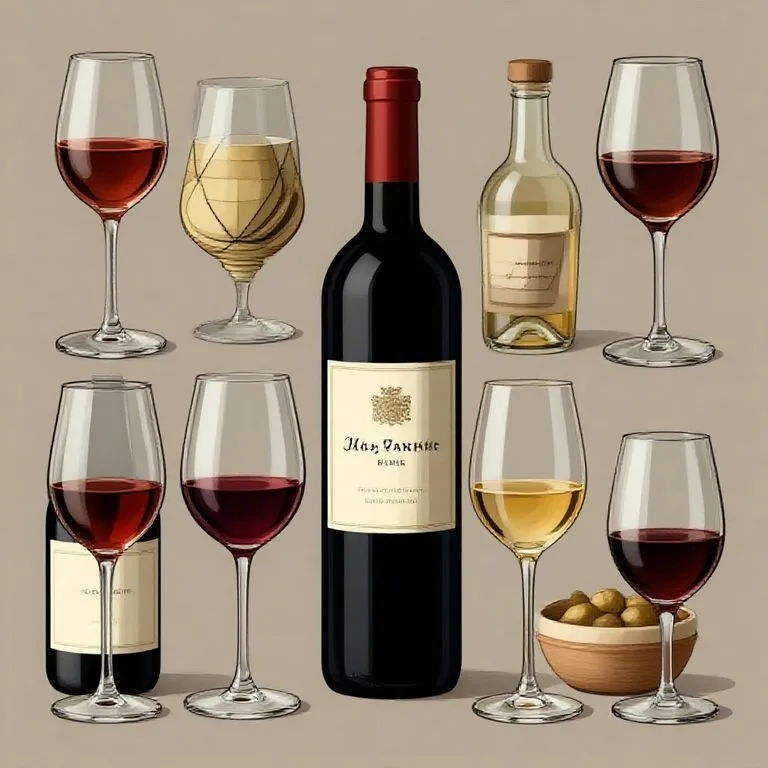
Wine is a fermented beverage made primarily from grape juice. It concentrates sugars, acids, and aromas into a stable drink that can be stored and transported.
Description of what it is like
An aromatic liquid that ranges from pale straw to deep red. It is mildly acidic, usually 9–15% alcohol by volume, and can be dry or sweet depending on residual sugar.
Origin and where to find it
- Environments: Produced wherever grapes or other sugary fruits are available and fermentation vessels exist.
- Signs: Bubbly, sweet juice turning fragrant and alcoholic.
- It is a processed material.
Minimum processing required
- Crushing: Break grapes to release juice (must).
- Fermentation: Yeast converts sugars to alcohol in a covered container.
- Separation: Rack or strain the liquid to remove solids and sediment.
Tools needed to work on it
- Vessels: Glass bottles or Wood barrels for fermentation and aging.
- Primary container: Clay jar or a clean Container.
- Strainer: Clean Fabric or woven fiber cloth.
- Seals: Cork or tight stoppers for storage.
Common forms of use
- Red wine: Fermented with skins for color and tannin.
- White wine: Fermented without skins for lighter body.
- Rosé: Short skin contact for light color.
- Sparkling: Carbonated by secondary fermentation.
- Fortified: Strengthened with added alcohol after fermentation.
Possible substitutes
- Other fermented beverages made from grains or honey.
- Diluted Alcohol for tinctures or cooking.
Limitations and common failures
- Oxidation: Air exposure turns wine sour or stale.
- Contamination: Unclean tools create off-flavors or spoilage.
- Temperature sensitivity: Excess heat can stall fermentation or cook flavors.
Risks and safety
- Intoxication: Impairs judgment and coordination.
- Health risks: Excessive consumption damages organs and increases addiction risk.
- Pressure: Sealed fermentation can burst containers if CO2 builds up.
Related materials
- Yeast: The fermentation agent.
- Sugar: Fermentable substrate (present in grapes or added).
- Water: Used for cleaning and diluting must when needed.
- Alcohol: The primary product of fermentation.
- Vinegar: Formed if wine oxidizes and turns acetic.
- Cork: Traditional bottle seal.
- Glass: Common storage vessel.
- Wood: Used for barrel aging.
Properties
- Alcoholic
- Acidic
- Aromatic
- Liquid
- Fermented
Used for
- Beverage
- Cooking ingredient
- Preservation base
- Solvent for herbal extracts
- Social and ritual use
Manufacturing / Process
Fermentation of grape juice by yeast, followed by clarification and aging.