NaturalGenerated with AI2 min read
Wheat
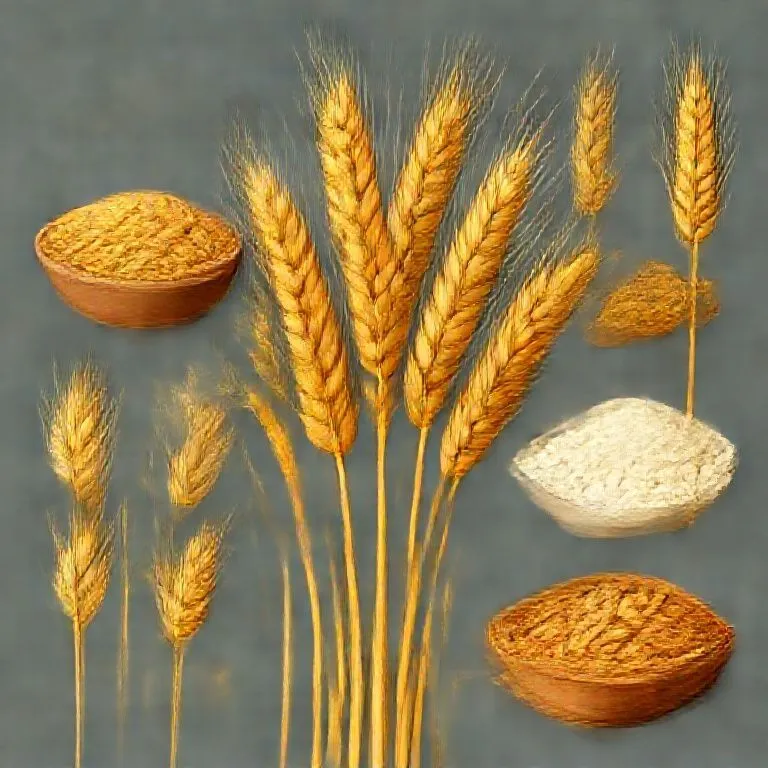
Wheat is a cereal grain valued for its high yields and gluten, which allows dough to rise and form stable breads.
Description of what it is like
Hard, oval grains with a pale golden color. When milled it becomes a fine flour that forms elastic dough with water.
Origin and where to find it
- Environments: Temperate fields with moderate rainfall.
- Signs: Upright stalks topped by seed heads that turn golden at maturity.
- It is a cultivated crop grown in open fields.
Minimum processing required
- Drying: Heads are dried to reduce moisture.
- Threshing: Grain is separated from the stalks.
- Winnowing: Chaff is removed by airflow or tossing.
- Milling: Grain is ground into flour.
Tools needed to work on it
- Cutting tools for harvest.
- Hand Mill or Mortar for grinding.
- Containers for storage.
- Fire for baking and cooking.
Common forms of use
- Flour for bread and flatbreads.
- Boiled grain or porridge.
- Fermented foods and drinks.
Possible substitutes
Limitations and common failures
- Moisture damage: Damp grain molds quickly.
- Milling dependence: Many uses require grinding tools.
- Gluten sensitivity: Not suitable for all diets.
Risks and safety
- Mold toxins: Spoiled grain can be dangerous if eaten.
- Flour dust: Fine dust can irritate eyes and lungs.
Related materials
Properties
- Starchy
- Gluten-forming
- Dry-storable
- Easy to mill
Used for
- Flour and bread
- Porridge
- Animal feed
- Fermentation base
Manufacturing / Process
Harvested heads are dried, threshed, winnowed, and milled into flour.