Generated with AI2 min read
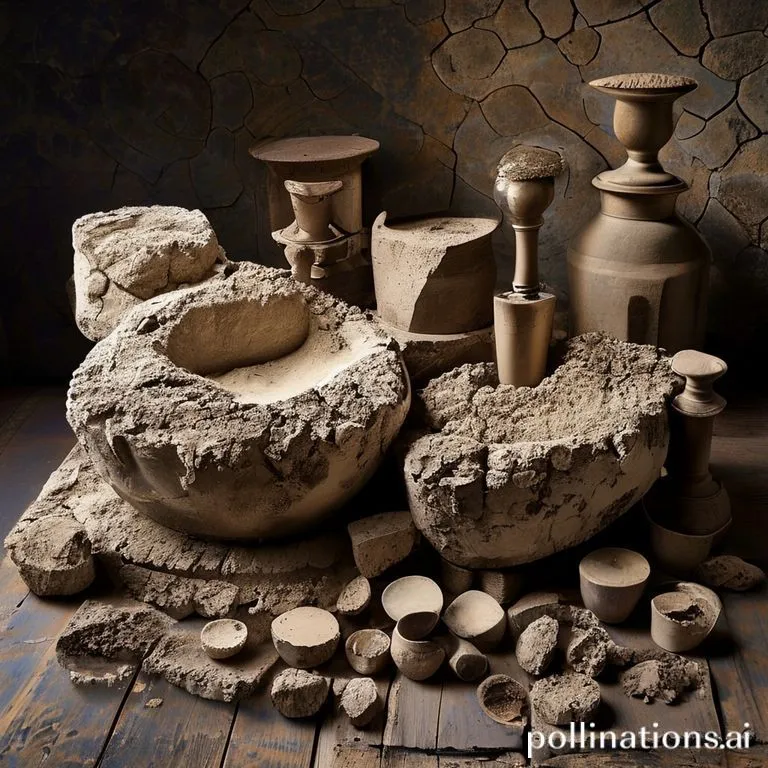
Mortar and Pestle
Brief description
A set of two simple tools used since the Stone Age to prepare ingredients or substances by crushing and grinding them into a fine paste or powder.
Use / Function
- Grinding: Turning dried herbs, Spices, or chemicals into powder.
- Crushing: Breaking down hard seeds or minerals.
- Mixing: Blending wet and dry ingredients (pastes, paints, medicines).
- Scale: Individual/Laboratory.
Operating principle
It uses compression and friction. The bowl (mortar) holds the material, while the club (pestle) applies downward pressure and rotation to break the material against the hard walls of the bowl.
How to create it
- Selection: Find a very hard material that won’t chip into the food/medicine.
- Hollowing: Carve a bowl shape into a stone or hard wood block.
- Shaping: Create a smooth, rounded club (pestle) that fits comfortably in the hand and matches the curvature of the bowl.
Materials needed
- Essential: Hard stone (granite, basalt), hardwood, or fired ceramic.
- Tools: Chisels, scrapers, or other stones for shaping.
- Possible substitutes: A flat grinding stone and handstone, or a Hand Mill for grains.
Variants and improvements
- Stone Mortar: Best for hard minerals and dry grinding.
- Wooden Mortar: Good for large quantities of grain or soft herbs; lighter but harder to clean.
- Ceramic Mortar: Smooth and easy to clean, good for medicines (apothecary).
Limits and risks
- Contamination: Poor quality mortars can shed material (sand/grit) into the mixture.
- Absorption: Porous materials (wood, unglazed pottery) absorb flavors and chemicals, making cross-contamination a risk.