NaturalGenerated with AI2 min read
Rice
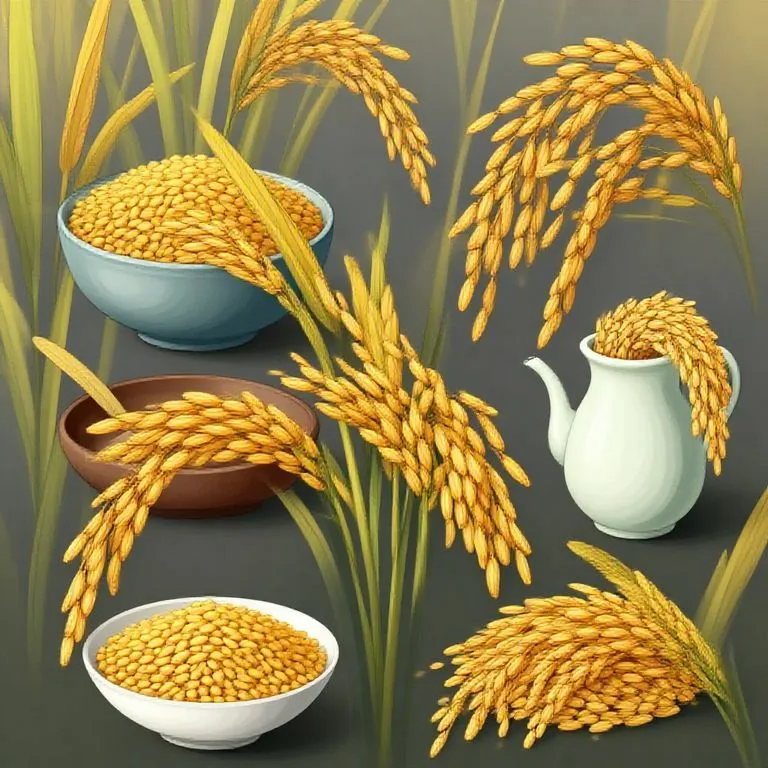
Rice is a cereal grain cultivated for its calorie-dense seeds. It is a global staple because it stores well when dried and cooks into a filling base food.
Description of what it is like
Small, hard grains that are pale to golden when dried, with a thin husk and an inner starchy core. When cooked, they swell and become soft and slightly sticky or fluffy depending on variety.
Origin and where to find it
- Environments: Warm climates with reliable water; lowlands, river valleys, terraces, and flooded fields.
- Signs: Dense green stands with drooping seed heads near maturity and shallow standing water in paddies.
- It is a cultivated crop grown in irrigated or rain-fed fields.
Minimum processing required
- Drying: Harvested panicles are dried to prevent mold.
- Threshing: Seeds are separated from the stalks.
- Winnowing: Chaff is removed with airflow or baskets.
- Hulling: The husk is removed to make edible rice.
- Milling: Optional polishing, parboiling, or grinding into flour.
Tools needed to work on it
- Simple threshing tools or feet for treading.
- Cutting tools for harvest and drying racks for airflow.
- Baskets or fans for winnowing.
- Mortar for hulling and pounding.
- Hand Mill for flour.
- Containers for dry storage.
- Fire for cooking.
Common forms of use
- Boiled or steamed rice.
- Rice porridge and gruel.
- Ground flour for flatbreads.
- Rice cakes and pressed grains.
- Fermented foods and drinks.
Possible substitutes
Limitations and common failures
- Water demand: Many varieties need steady moisture.
- Post-harvest losses: Poor drying or ventilation causes spoilage.
- Storage pests: Insects and rodents attack dry grain.
- Breakage: Poor hulling reduces yield and increases waste.
Risks and safety
- Mold: Damp rice can grow toxins and must be discarded.
- Dust: Milling dust can irritate lungs without ventilation.
- Smoke exposure: Drying over open fires can contaminate grain if uncontrolled.
Related materials
Properties
- Starchy
- High-calorie
- Dry-storable when hulled
- Cooks by boiling or steaming
- Mild flavor
- Naturally gluten-free
Used for
- Staple food
- Flour and porridge
- Fermented foods
- Animal feed
- Starch thickener
Manufacturing / Process
Harvested panicles are dried, threshed, hulled, and optionally milled or polished.